Choose the purpose of the meal
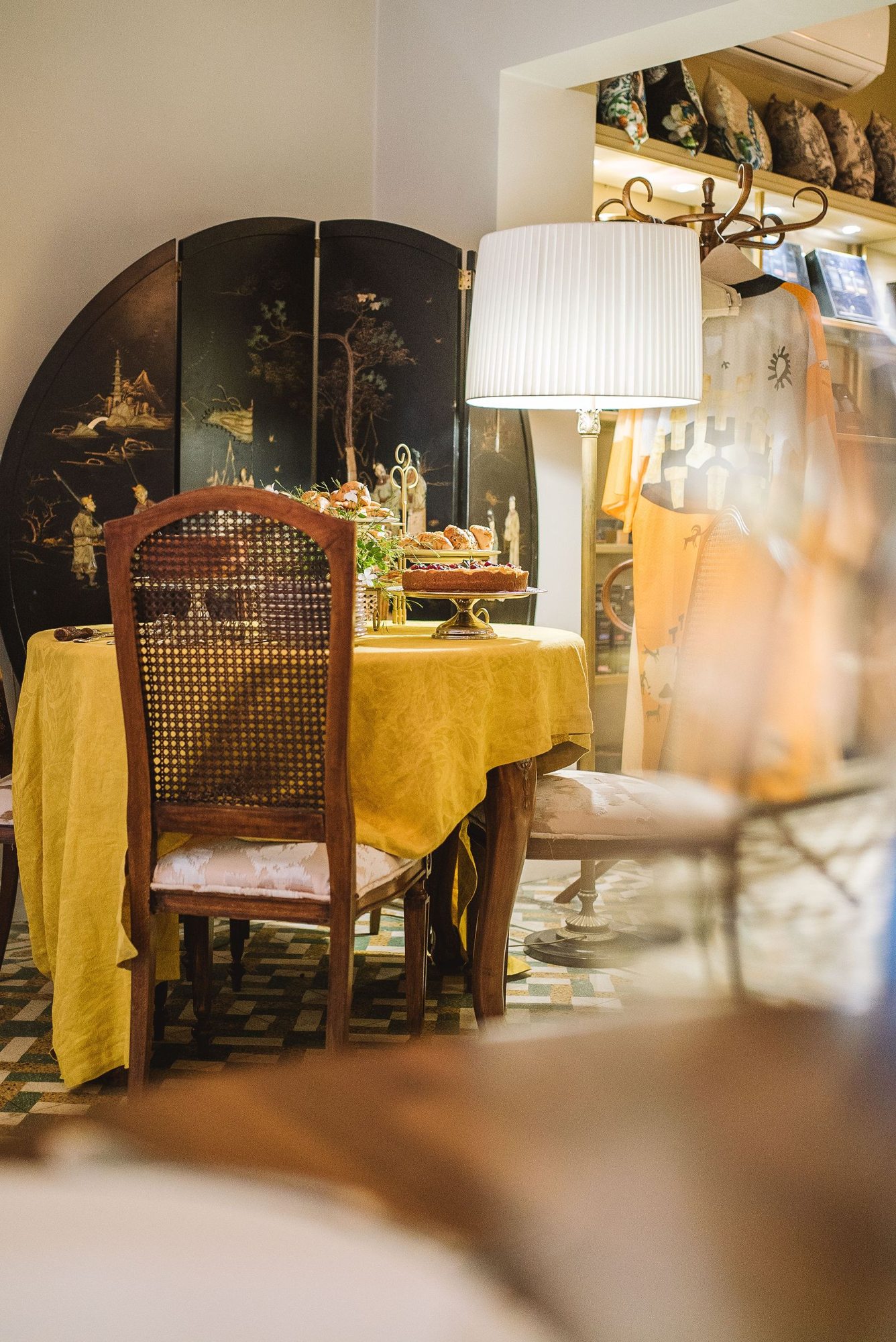
After many conversations, you may want people around you without having another discussion. A seat in a quieter dining room may suit that better than a loud bar. If you actively want to socialise, that is a different decision and should not depend on a random seating arrangement.
Decide whether dinner belongs on your return route or should be a small outing of its own. With an early start tomorrow, a short journey to your accommodation can be particularly useful. A famous restaurant list matters less than how you want the evening to work.
Check the arrangements before settling in
Look at the current menu and ask whether the kitchen has started serving or is still open. An open venue does not necessarily offer its entire menu at every hour. If you need a particular dish or have a dietary requirement, discuss it directly with staff before ordering.
Mention limited time at the beginning rather than revealing your next commitment when asking to pay. If the service is intended to take longer, you can choose a simpler option early. Reserving a table for one is also an ordinary practical request, not something that requires an explanation.
Leave work outside or give it a boundary
If a message still needs a reply, deal with it before eating where possible and then put the device away. A laptop on a small table can occupy both the available space and your attention. If necessary, ask whether the chosen seat is suitable for a short work session.
Keep the receipt and payment record according to your own expense process without turning the entire meal into administration. Afterwards, you may simply return to the hotel. An evening alone need not be filled with additional appointments or justified to colleagues who prefer a different plan.