Start with visitors' questions
Do not begin by putting every available product on the table. List the questions visitors are likely to bring: Will this fit my process? Which size would I need? How is this version different? Then select the objects that answer those questions most clearly when somebody sees them in person.
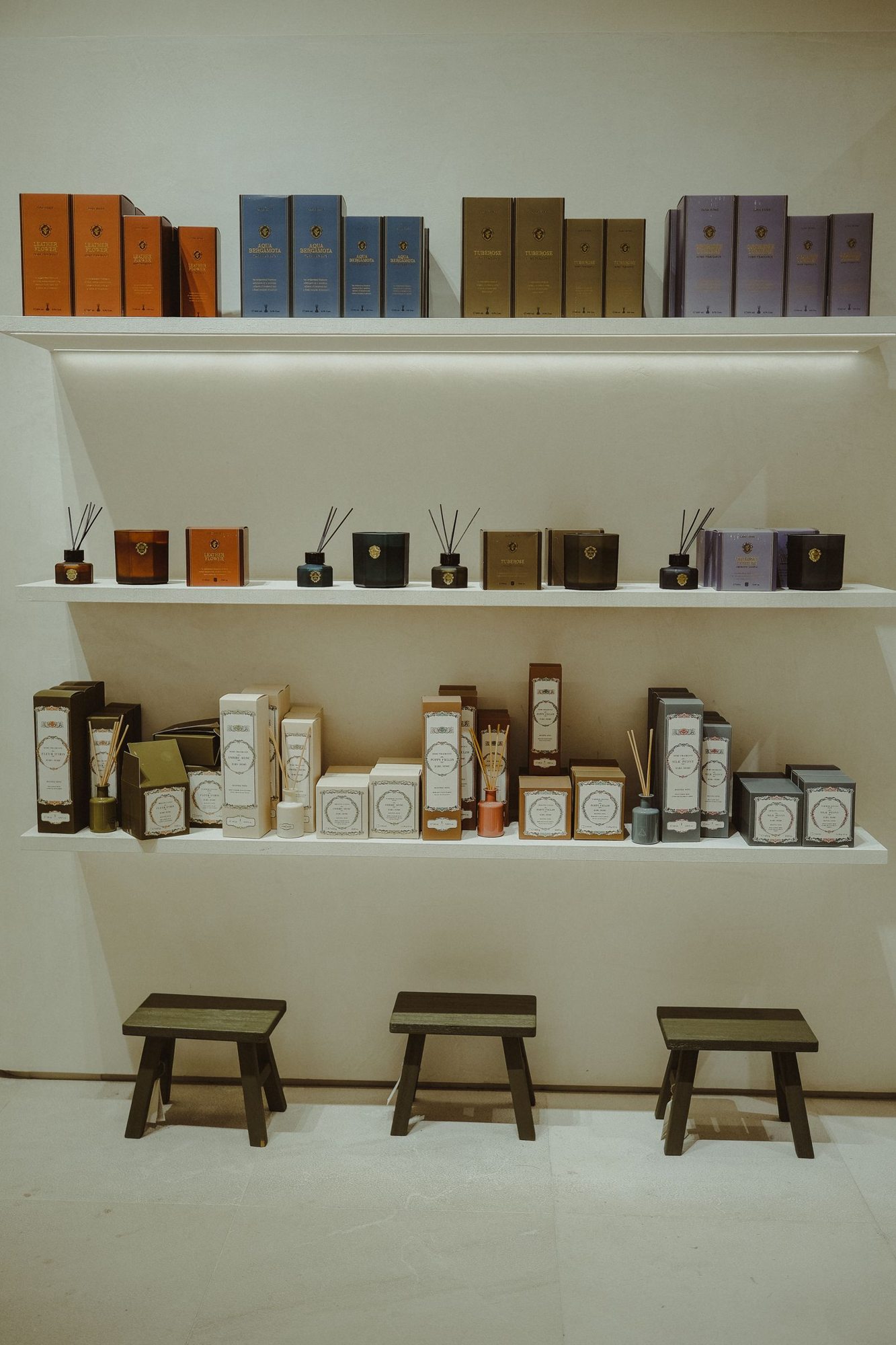
One main product and a purposeful comparison can be easier to understand than an entire model range. If two versions look identical at first glance, label their difference visibly. Otherwise, they consume space without adding useful information to the conversation.
Allow room to use the products
Measure more than the footprint of each exhibit. Include open panels, cables, the hand movement needed for a demonstration and the viewing angle of a second visitor. A product that barely fits inside a display case may be impossible to demonstrate there. Mark out the proposed space in your office and rehearse the arrangement.
Decide what visitors may handle and what only your team should operate. Small samples can support a conversation, whereas delicate or valuable components need controlled presentation. Follow the organiser's requirements and the manufacturer's handling instructions rather than improvising a demonstration around limited floor space.
Keep the wider range accessible
Products left behind do not have to disappear from your conversation. A clear overview with unambiguous names can show the other sizes or applications available. Keep the relevant files locally as well. Avoid relying on a deep catalogue that staff must search through while the visitor waits.
Arrange spare samples by purpose instead of leaving them loose behind the stand. Make a short location list so a colleague can find each item. Finally, ask someone to look at the display without an explanation: can they identify the main product and understand why the other objects are beside it? If not, remove items or regroup them.