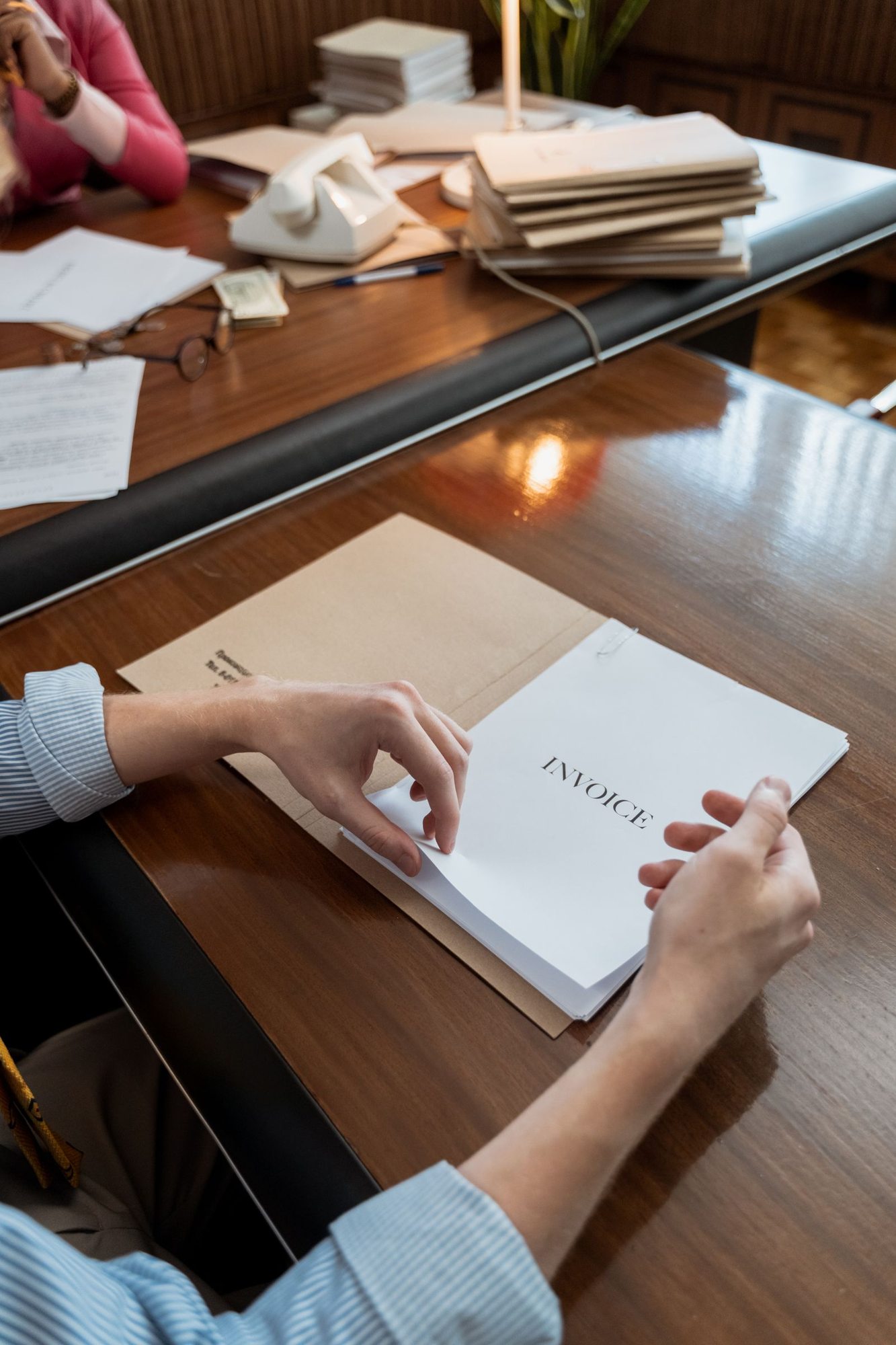
Clarify the details required beforehand
Ask your organisation which details its expense process needs and to whom the invoice should be addressed. Give the property the correct wording in good time. A reservation in your personal name may not contain the same details as the invoice you need. This is an organisational step, not tax advice; specialist questions belong with your organisation's requirements or adviser. Avoid trying to find missing information on the morning of an early flight.
Distinguish different documents
Keep the booking confirmation as a record of the dates and services agreed. A card receipt records a payment but is not automatically the document required by your expense process. Ask for the actual invoice and establish whether it comes from the property or another provider involved in the reservation. Prepaid stays may involve several related documents. Name them so the payment and stay can be clearly matched later.
Compare the details when it arrives
Check names, dates and listed services against the booking and what you actually used. Pay particular attention to additional breakfasts or other extras. If something is unclear, ask calmly before submitting the paperwork. Do not alter an issued invoice yourself. Have necessary corrections made by the responsible issuer and store the replacement in a way that prevents confusion with the previous version.
Use a modest digital filing system
Create one folder per trip and name files with, for example, the date, property and document type. If your expense process allows it, make a complete, legible scan of a paper receipt. Inspect the scan before putting the original elsewhere. Share documents only through the designated channels with the relevant people. After submission, a short status note helps you avoid filing the same invoice twice or requesting another copy from the hotel unnecessarily later.