Weigh repeated journeys against one move
Record how many days you will spend at the second venue. A substantially closer property can make sense when it reduces several daily journeys. For a single appointment, the benefit may be smaller. Include unpacking, repacking, checkout, travel, luggage storage and check-in in the cost of moving. These stages rarely fit together seamlessly. A short distance between hotels on a map says little about how much of the working day the change will consume.
Map the transition day
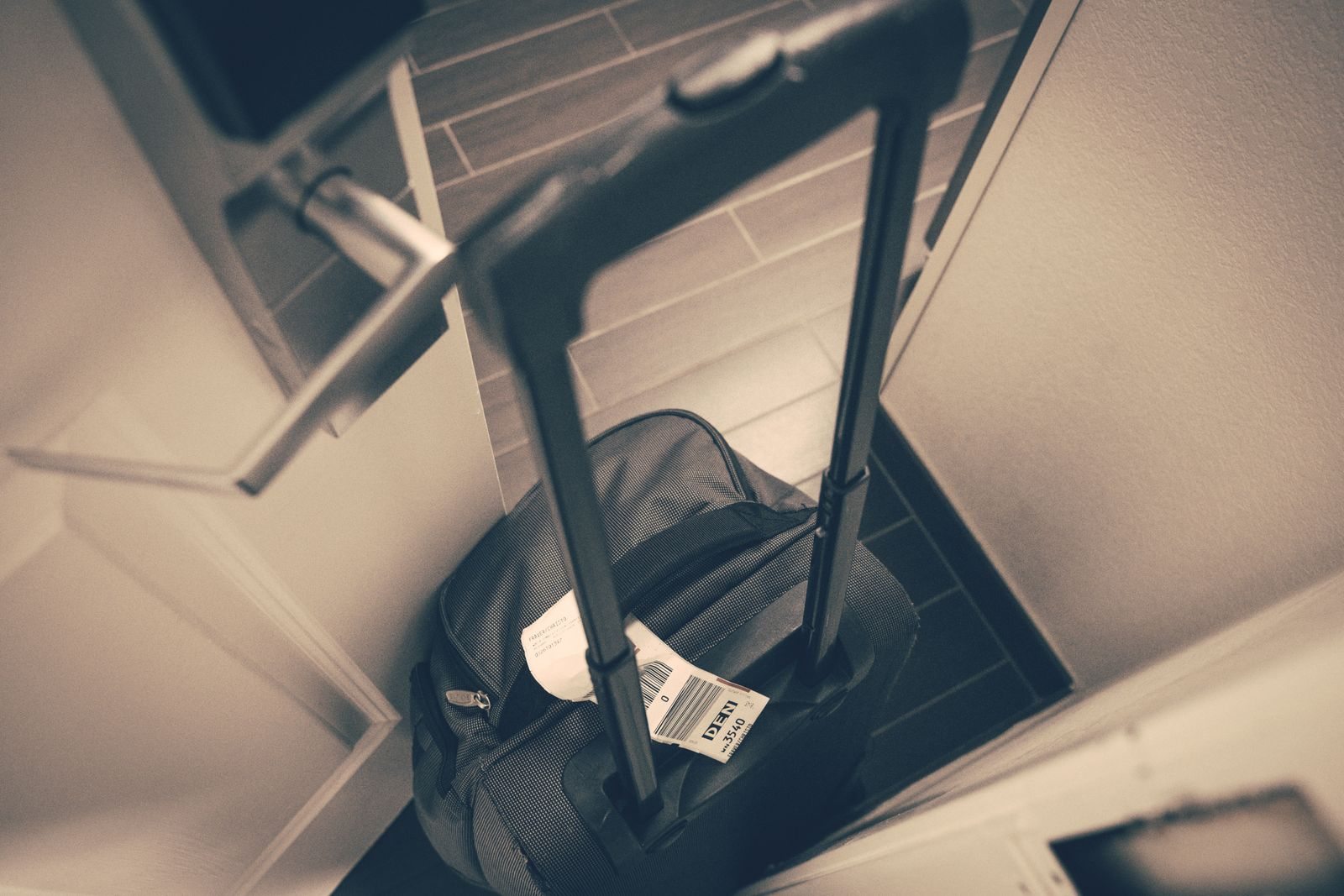
Put the confirmed arrangements for both properties side by side. There may be a gap between standard checkout and access to the next room. Decide where luggage and working documents will remain during that interval. Explicitly request any storage you need. An important call in the middle of the gap requires its own suitable location. Do not rely on early room access while it is merely hoped for. The transition should work even if both hotels provide only their usual timings.
Treat the bookings separately
Check dates, conditions and invoice details for each stay individually. Pay particular attention to the night between them: it should neither be missing nor unintentionally booked twice. Save the correct address with each calendar entry. Automatically returning to the first hotel after a long exhibition day quickly erodes the benefit of moving. Tell colleagues about the change where relevant without distributing unnecessary personal booking details to a large group.
Decide using the strongest practical advantage
A move is particularly worthwhile when it replaces several difficult journeys or makes a very early appointment realistically accessible. Remaining where you are may be better when the new property saves little and setting up again creates substantial work. For a planned move, pack so the first stay creates limited disorder. A deliberately compact first stop is easier to finish than a room in which every bag has been completely emptied.