Start from the visitor's viewpoint
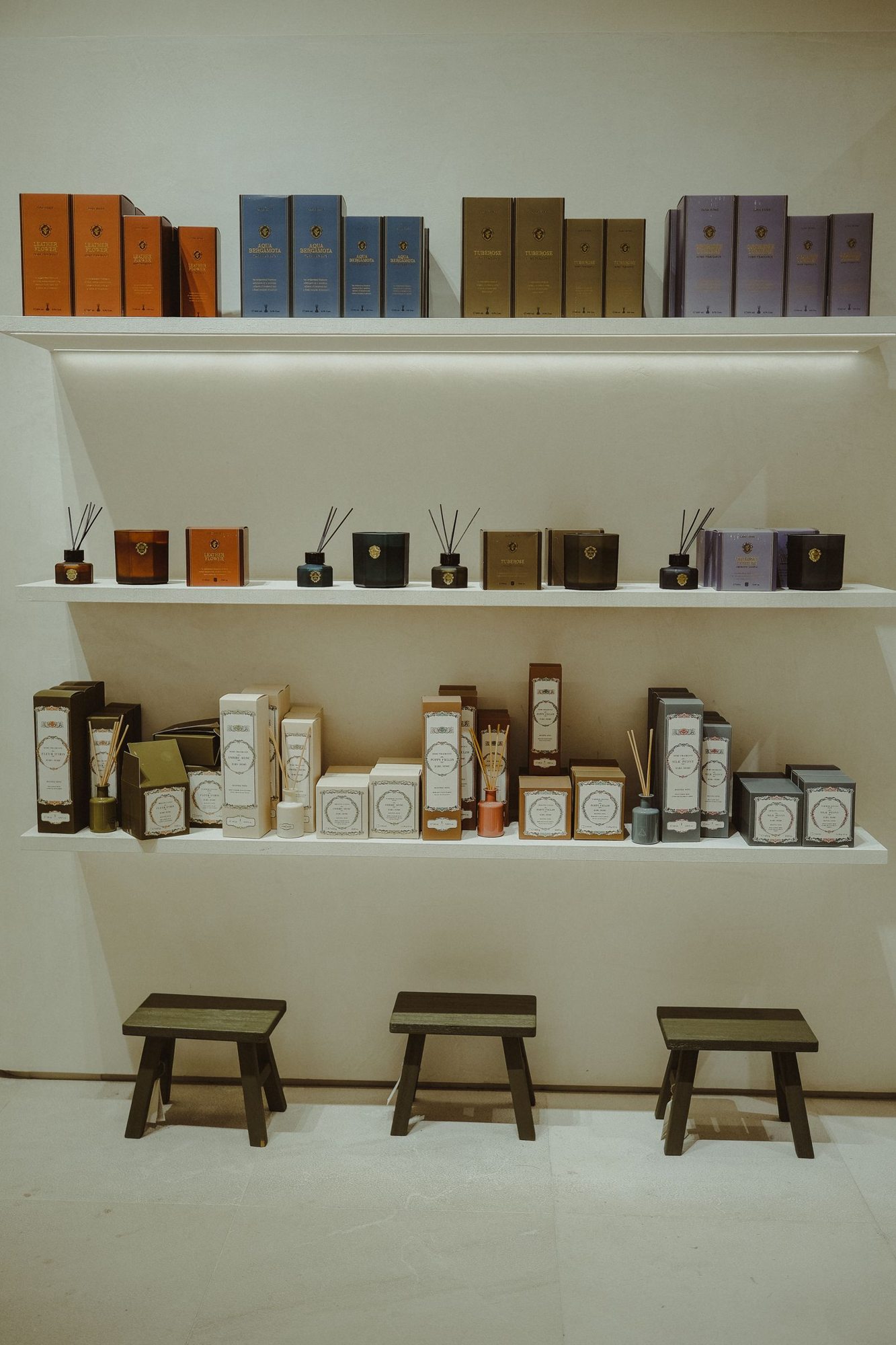
Look at the exhibit from where a visitor will stand or sit. A light may look effective from the staff position yet create glare from that direction. Pay particular attention to glossy surfaces, glass and screens. A reflection over the crucial product detail makes discussion difficult even if the rest of the stand feels pleasantly bright.
Move a step sideways as well. People do not all occupy the same spot during a demonstration. If an important difference between two samples is visible from only one angle, the display needs a different arrangement or an additional explanation.
Test the actual materials
Put the final samples and documents under the intended lighting. Colours, fine textures and small lettering may appear different from the office. For important colour decisions, exhibition lighting is not a reliable substitute for agreed professional assessment conditions. Be clear about what can be judged on site and what requires another setting.
Check the combination of hall lighting and your own fixtures. A screen that was clear in a dark meeting room may lose impact in the hall. First adjust its position and displayed content rather than increasing brightness indiscriminately or assuming the screen itself is defective.
Make changes in an orderly way
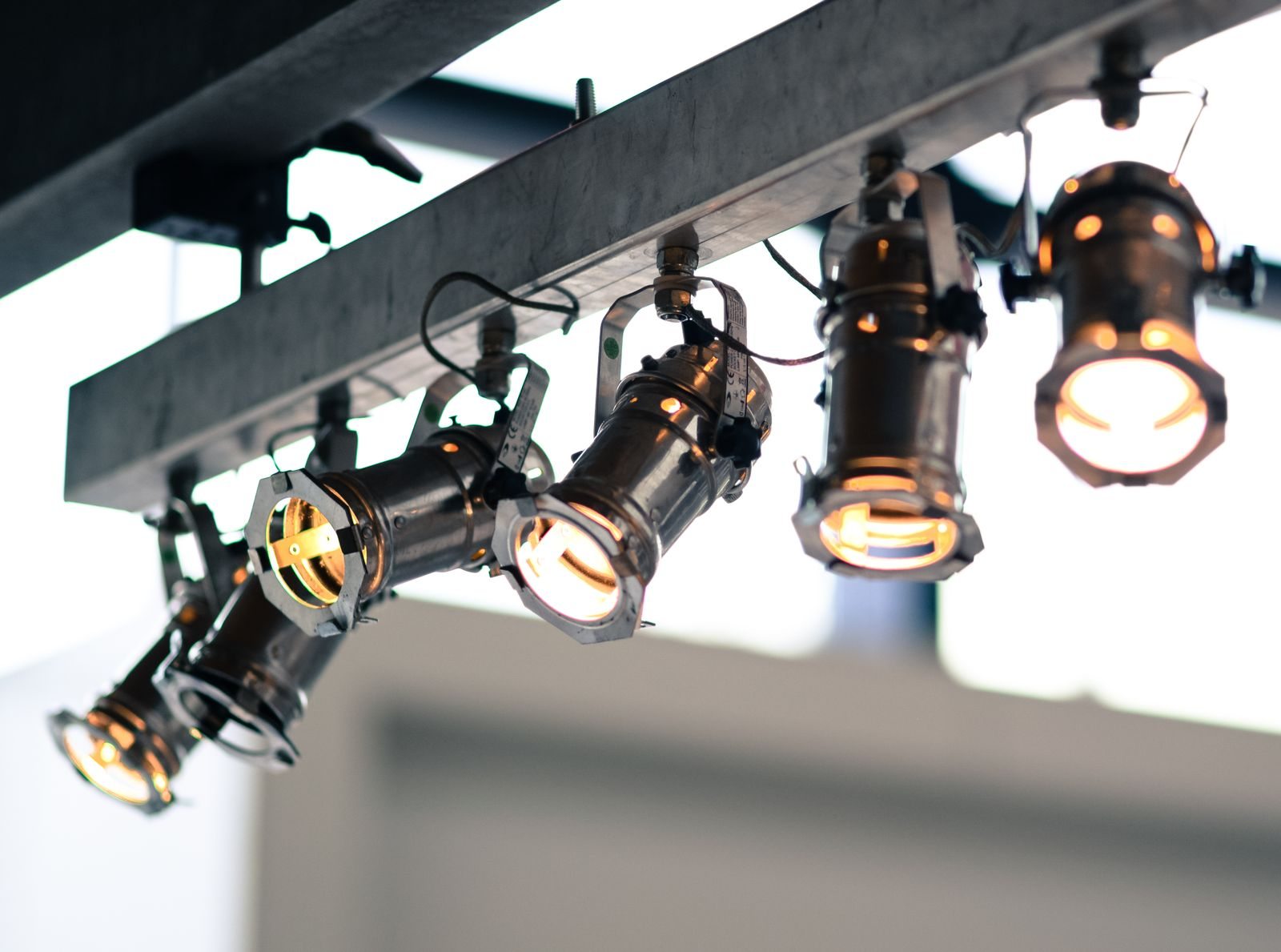
Record troublesome shadows or reflections with a short description of the viewing position. This helps the responsible supplier adjust the setup precisely. Only authorised people should alter fixtures, mountings or connections. Keep visitors away from the area beneath any work being carried out.
Photograph the approved arrangement as an internal reminder after checking the result. The picture records positions but does not reliably establish actual colour rendering. Recheck after substantial furniture movements. Even a shifted shelf can cast a new shadow over the product that is supposed to be the main focus of the display.