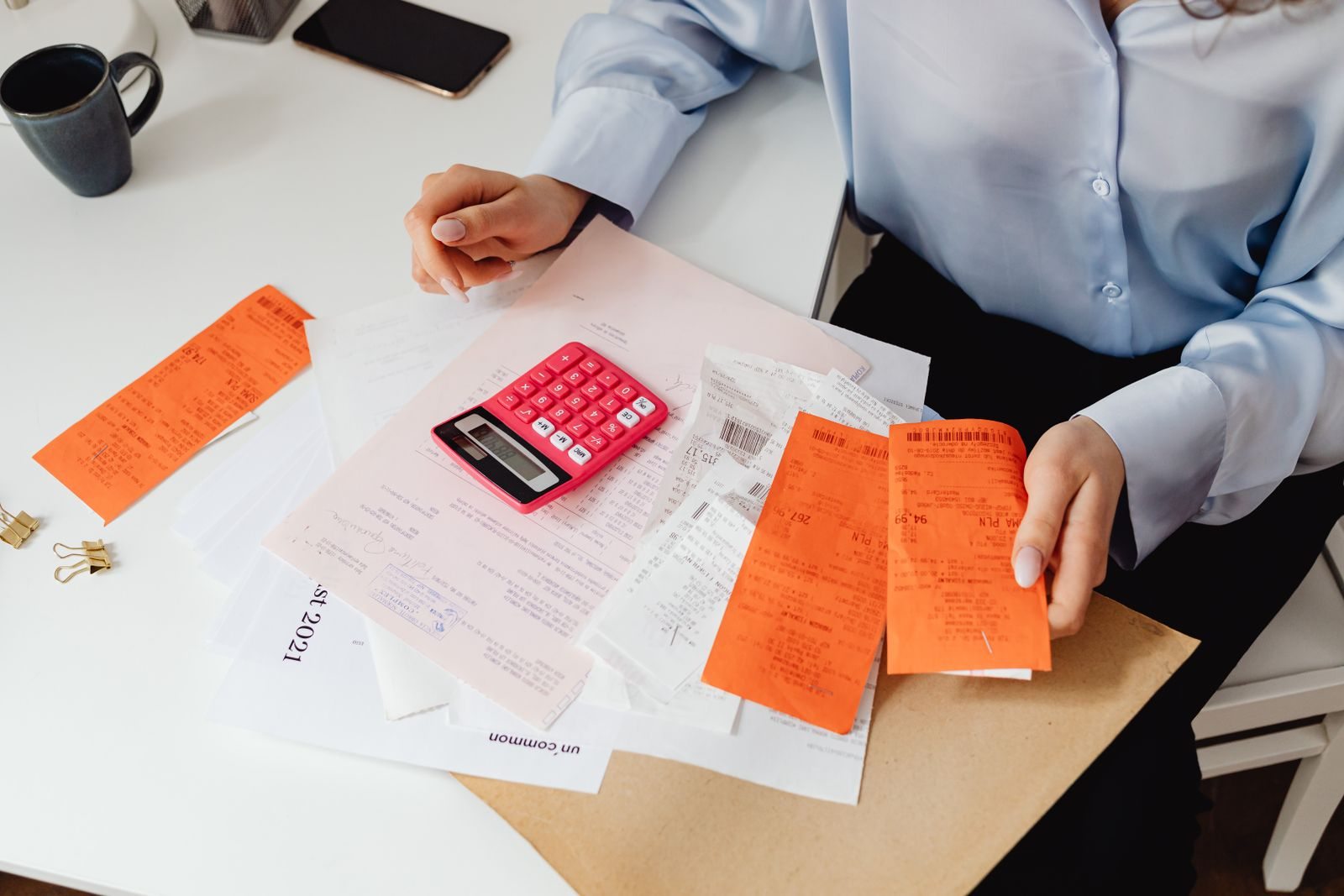
Clarify the shared process beforehand
Before travelling, ask the responsible team which details they need for expenses and how receipts should be submitted. Workplace requirements differ, so personal habits are not a reliable guide. Also establish who handles shared purchases and which approvals are required before an order is placed.
Use a few understandable groups, such as stand materials, local transport and agreed hospitality. The categories should help allocation rather than create a second complicated accounting system. Use the terms your administration actually works with, and retain any required originals according to its instructions rather than assuming a photograph always replaces them.
Add context immediately after buying
Record the date, purpose and responsible person while the circumstances are still clear. A receipt for small components will not later explain whether they were bought for the stand or personally. For a shared purchase, a brief factual note about the event and intended use provides valuable context.
If digital copies are part of the process, check their readability immediately. Cropped amounts, reflections on the paper and hidden dates make a photograph less useful. Put the file directly in the agreed location instead of leaving it among personal photographs and screenshots on a phone.
Resolve gaps at the end of the day
Briefly compare recorded expenses with the receipts available. A missing invoice is often easier to trace on the same day than after returning home. Keep unresolved items visible and name the person who will deal with them. Do not fill missing information with assumptions simply to complete a list.
Separate later tax or reimbursement decisions from your documentation. The team supplies a clear account of what happened; the responsible department assesses it under the applicable rules. After the trip, an orderly handover should be possible without explaining every individual purchase again through a sequence of private messages.