Measure the complete transport package
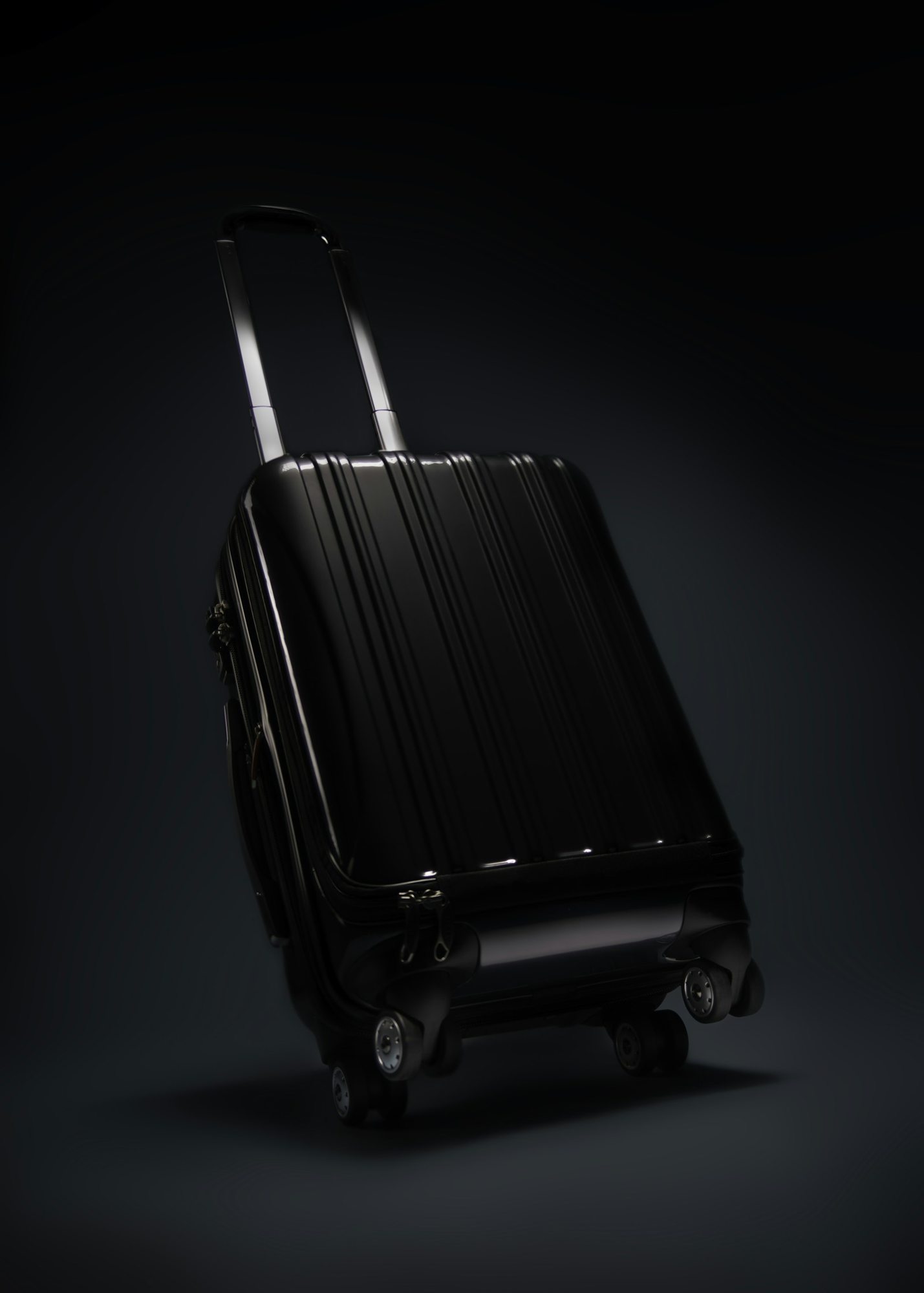
Measure and weigh the packed sample, including handles, wheels and protective materials. The product's own dimensions are not enough for transport planning. Photograph the closed case and record how many people are needed to handle it. Check the conditions of every booked operator. Something that can be accommodated on a train may not qualify as ordinary airline baggage, while an accepted flight booking says nothing about the final walk to the venue.
Rehearse each handover
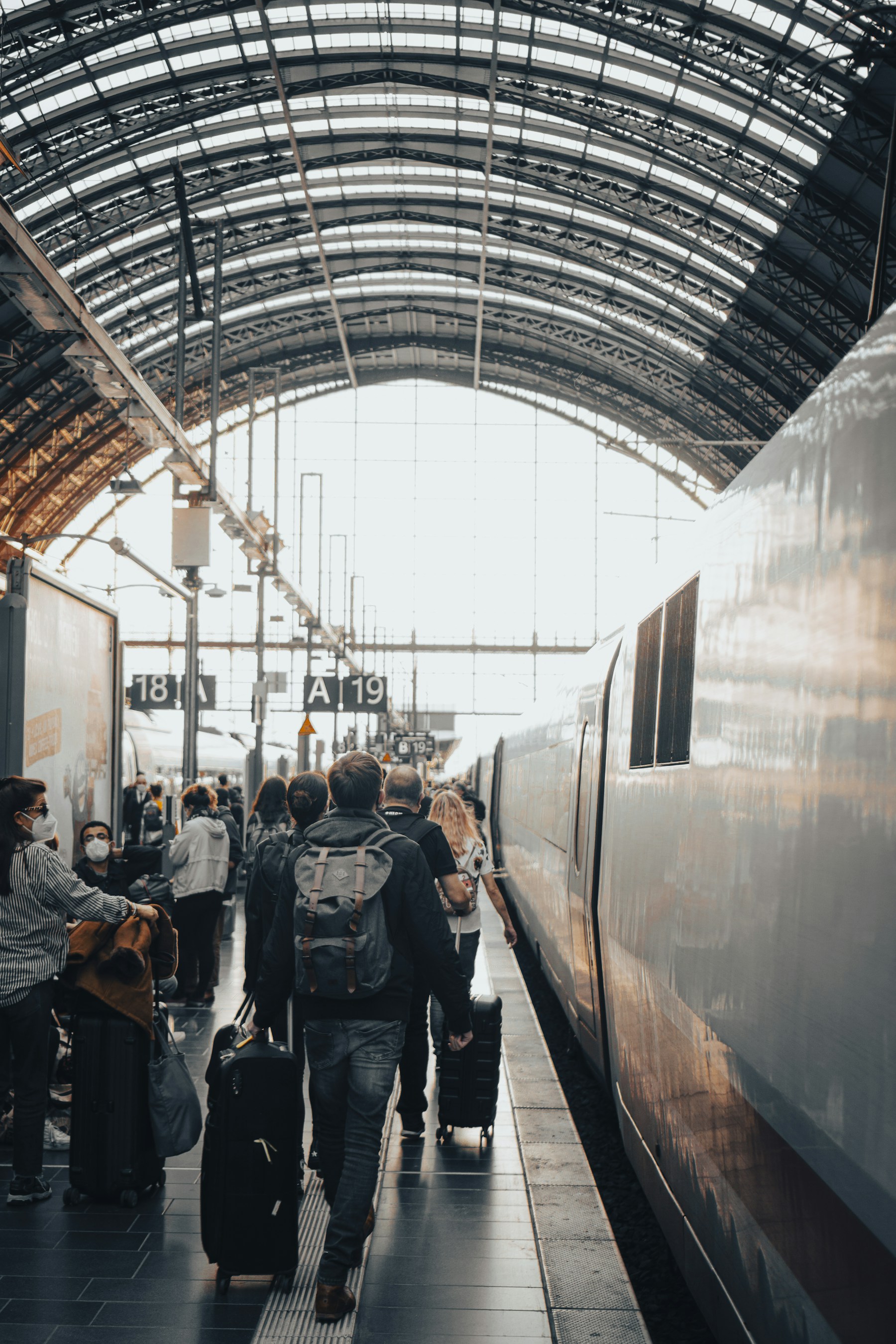
Work through the journey from the office to the exhibition position. Where must the case be lifted? Is there somewhere to put it while showing a ticket? Can you manage a door, suitcase and telephone at the same time? A rehearsal in your own building often reveals practical problems faster than another packing list. If the sample needs both hands, the rest of your equipment cannot also require loose carrying.
Compare delivery with personal carriage
For heavy or delicate material, a coordinated shipment may be more suitable than bringing it yourself. Confirm the receiving point, responsible person and event logistics before dispatching anything. The postal address of an exhibition site is not confirmation that a delivery will be accepted. Personal carriage gives more immediate control but restricts your mobility. Compare both approaches according to the particular sample and its importance to the appointment, not just one quoted price.
Keep a smaller demonstration option ready
Consider which aspect of the sample could be shown through a photograph, a small component or a locally saved video if necessary. This fallback will not fully replace the original, but it may allow a conversation if transport fails. Be factual about the substitute and explain its limitations. Finally, label the case so your team can identify it without displaying confidential customer information on the outside of the packaging.