Write down the week's routine
Consider how many evenings you will spend at the property and whether you intend to prepare food or work there regularly. If you have plans elsewhere every evening, you may barely use a kitchen. Several free evenings, by contrast, can make a table and simple food preparation facilities valuable. Compare usable areas rather than square metres alone. A large living space with poor working light may suit your week less well than a compact, thoughtfully arranged room.
Confirm equipment individually
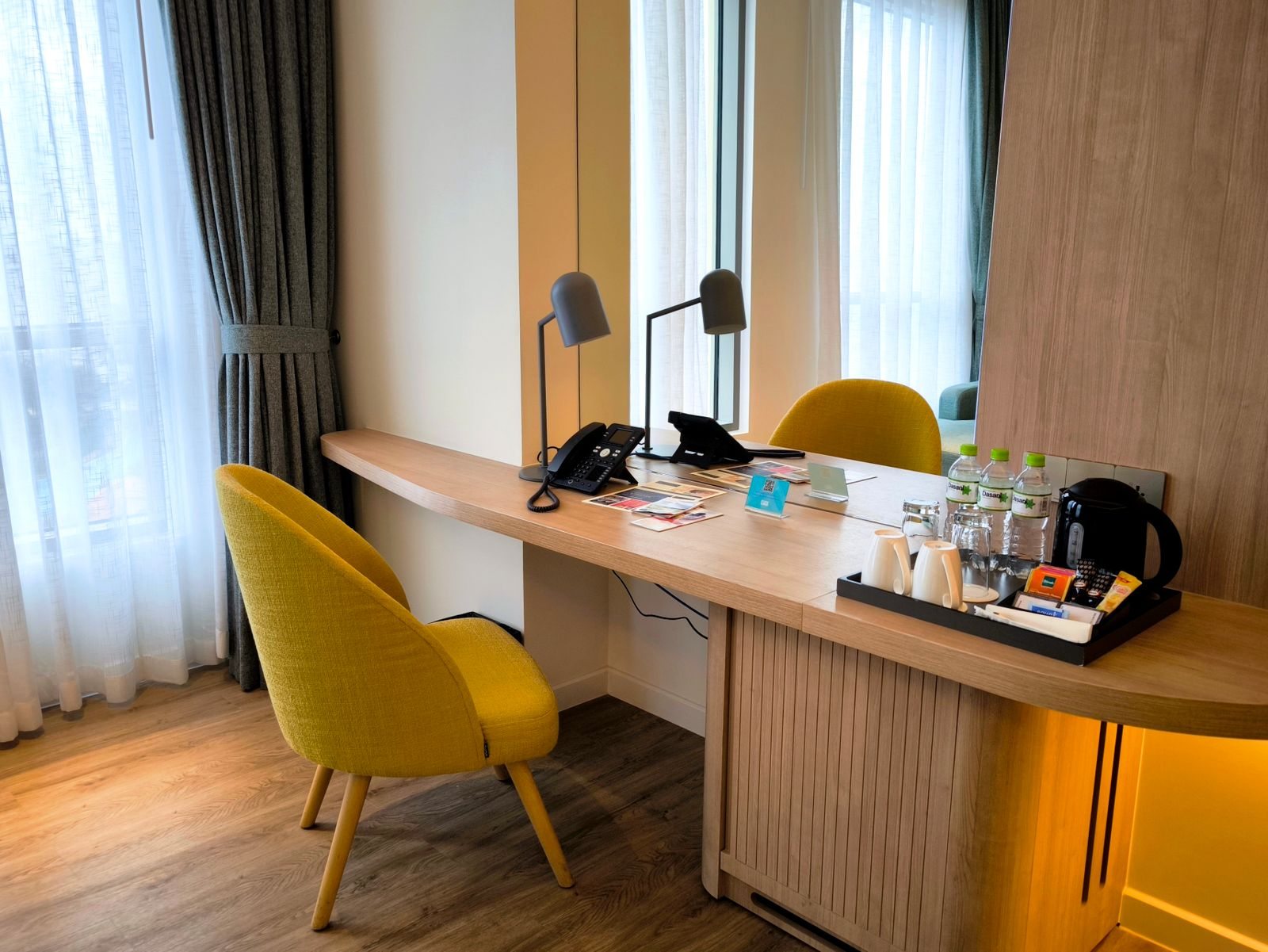
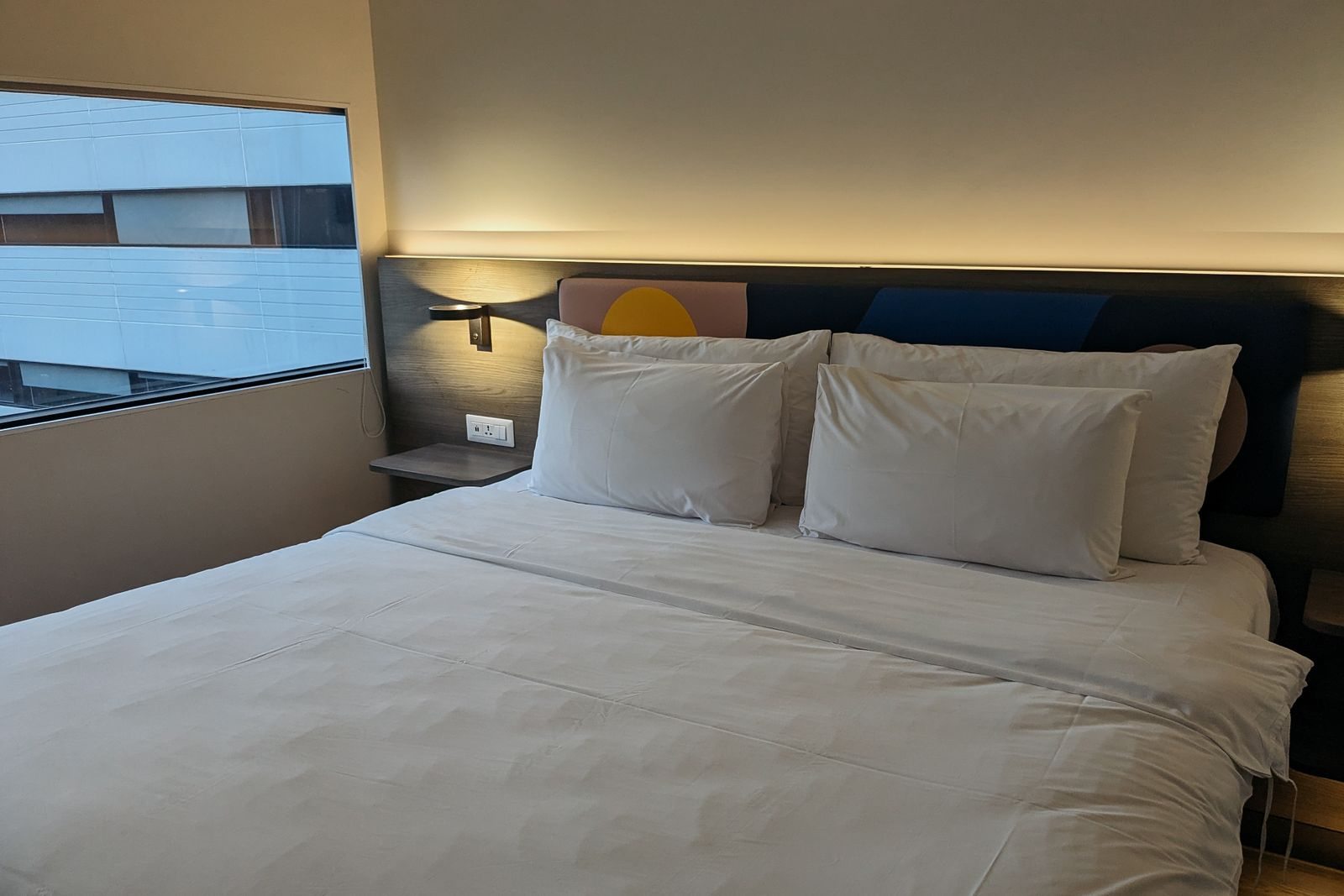
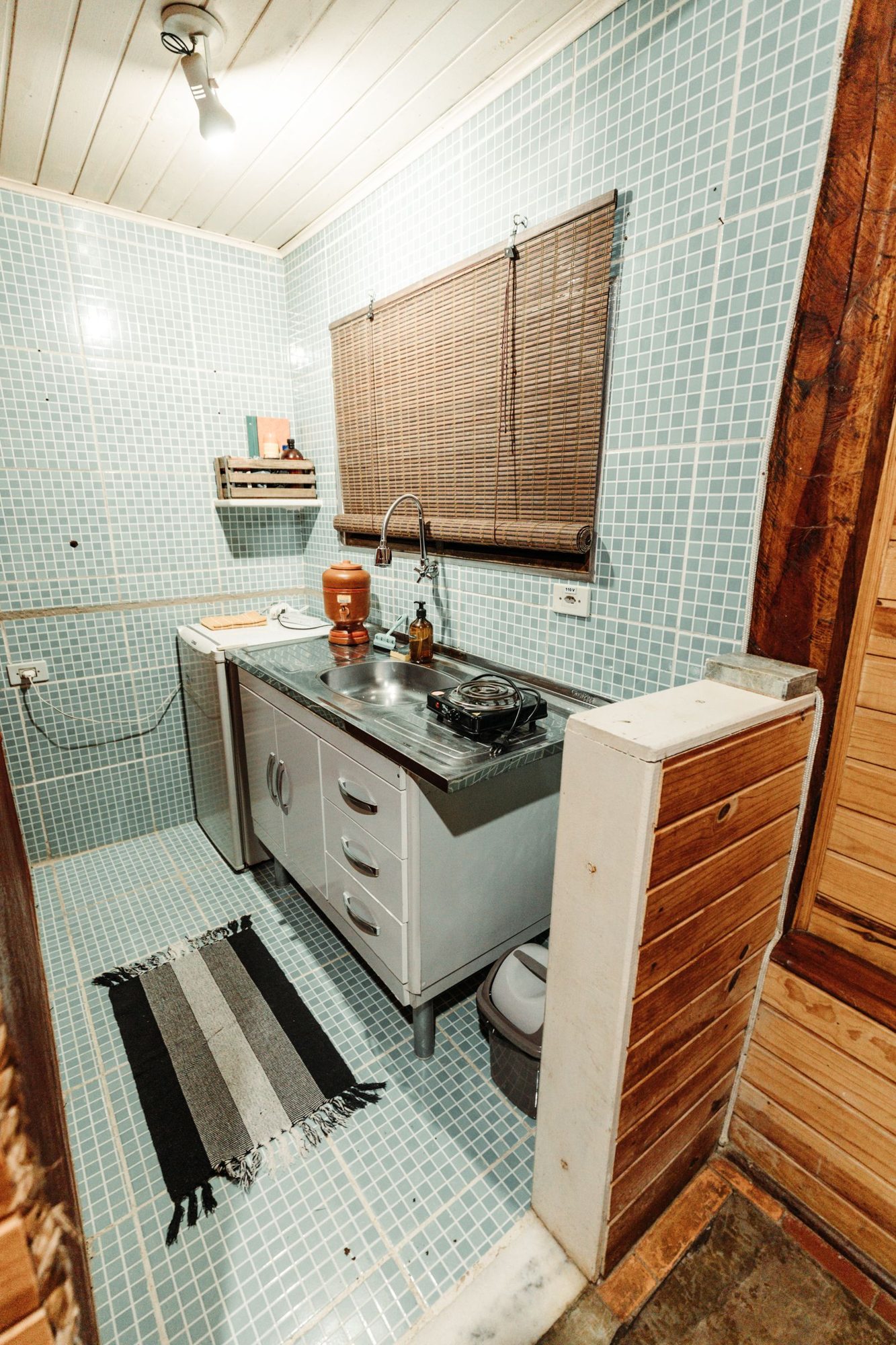
Read the description of the unit you are booking: hob, fridge, crockery and laundry facilities are separate items. Equipment somewhere in the building may require booking or additional payment. Ask about everything essential to your plan. Photographs of a sample apartment do not guarantee identical facilities in every category. Also establish whether there is a real workspace or merely a small dining table you would need to rearrange for different purposes each day.
Separate service from your responsibilities
Clarify cleaning, linen changes, rubbish disposal and the contact for problems. The phrase serviced apartment does not establish a standard frequency for these tasks. Ask how you gain access after a late arrival and when assistance is available. Note the steps required before departure. If you must wash dishes or take rubbish to a particular place, allow for that on the final morning instead of discovering it in an unexpected checkout message.
Compare the full cost of the week
Include confirmed additional charges and journeys to appointments alongside the accommodation cost. One large grocery purchase may look economical but offers little benefit if much of it remains unused. Compare the apartment with a suitable hotel option and decide according to actual use. For a working week, the apartment makes sense when its extra space or kitchen simplifies your days while the associated household tasks remain manageable.