Find a lasting, recognisable landmark
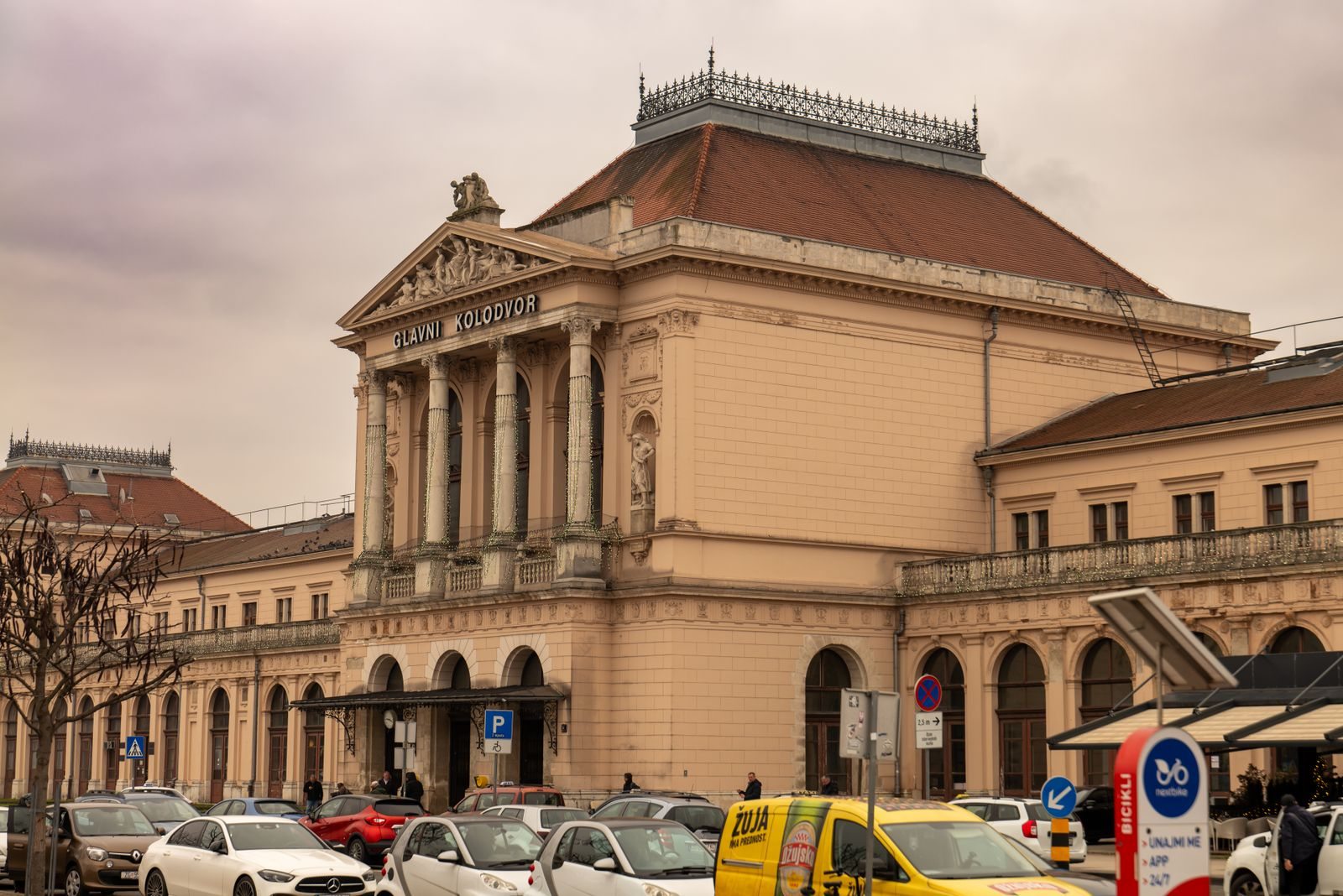
Choose a location both people can find using official station information. A named service area or clearly identified exit is usually less ambiguous than a temporary sales stall. Check whether the point is publicly accessible or behind an entry control. Not everyone can necessarily reach every part of a station.
State the level and, where relevant, the street side. ‘Outside the main entrance’ sounds clear but can mean different things in a station with several halls. One precise description is better than several photographs without clear context. Mark the location on a saved map for both people to use.
Consider arrival and onward travel together
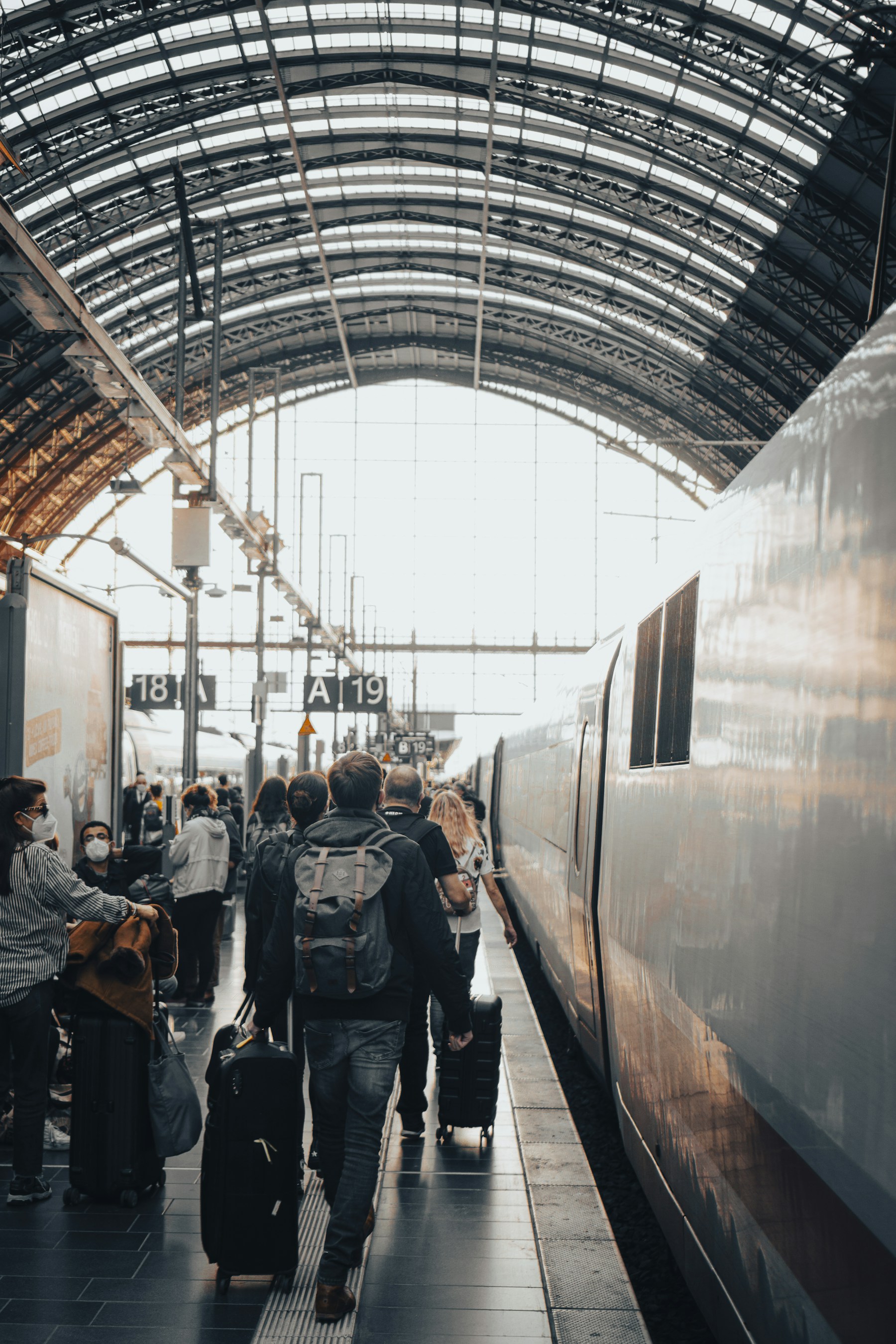
The meeting point should suit the arriving services without sitting directly in the flow of disembarking passengers. Someone waiting with a large case needs additional room. Avoid narrow entrances, escalator ends and places other travellers continually pass through. Waiting is a separate part of the sequence and should not obstruct anyone else.
Check where you will go together afterwards. Meeting on the wrong side of the building may create an unnecessary return walk. If one person needs step-free access, include it from the start. A central point on the map is not automatically equally accessible from both arrivals.
Agree a simple fallback rule
Share how you can be reached during a delay and agree who stays at the meeting point. Two people simultaneously walking towards where they think the other person is can easily miss each other. If an area closes unexpectedly, explicitly confirm the replacement location before both leave the original point.
Save essential details offline and keep the phone ready for arrival. If you have not met before, a simple description of clothing or luggage may help. Avoid sharing unnecessary personal details in public messages. A useful meeting point mainly requires clarity and an uncomplicated way to handle changes.