Read the layout carefully
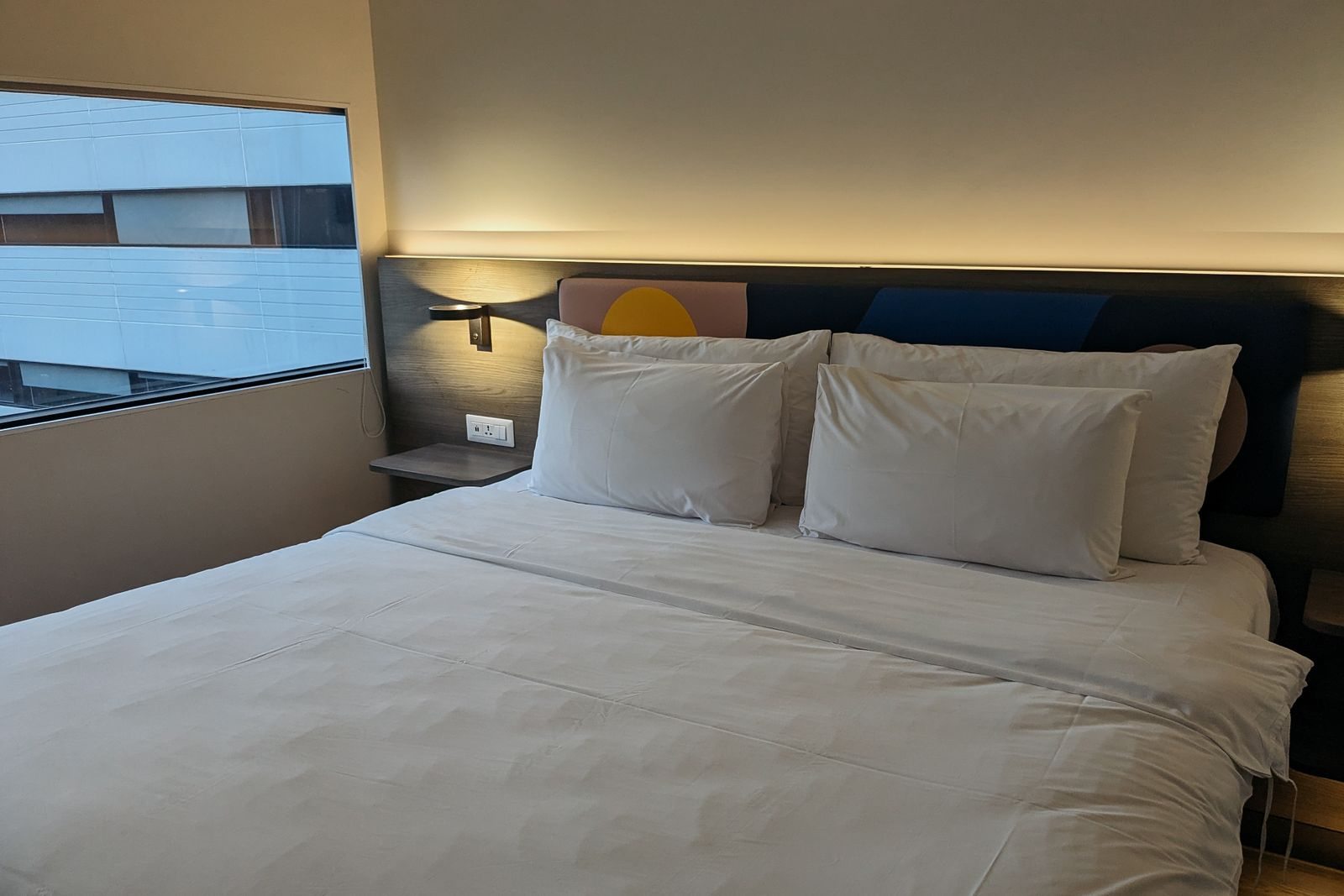
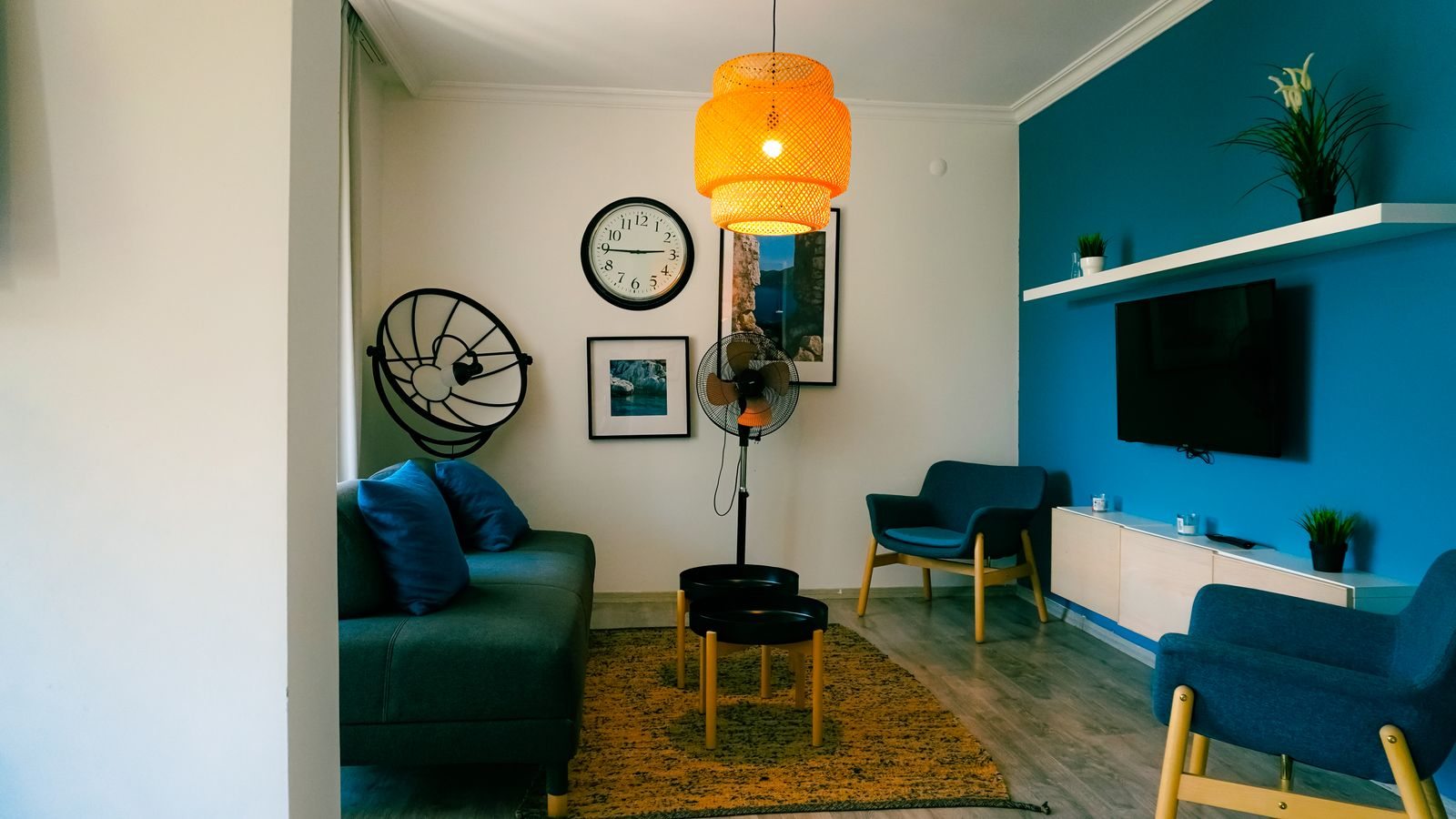
Check whether there are genuinely two separate bedrooms or whether one person would sleep on a sofa in the living area. The advertised guest capacity does not answer that question. A connecting room may mean passing through someone else's sleeping space to reach the bathroom. If photographs are unclear, request a floor plan or an explicit description. Agree together which arrangement is acceptable before either person makes a firm reservation.
Discuss different daily routines
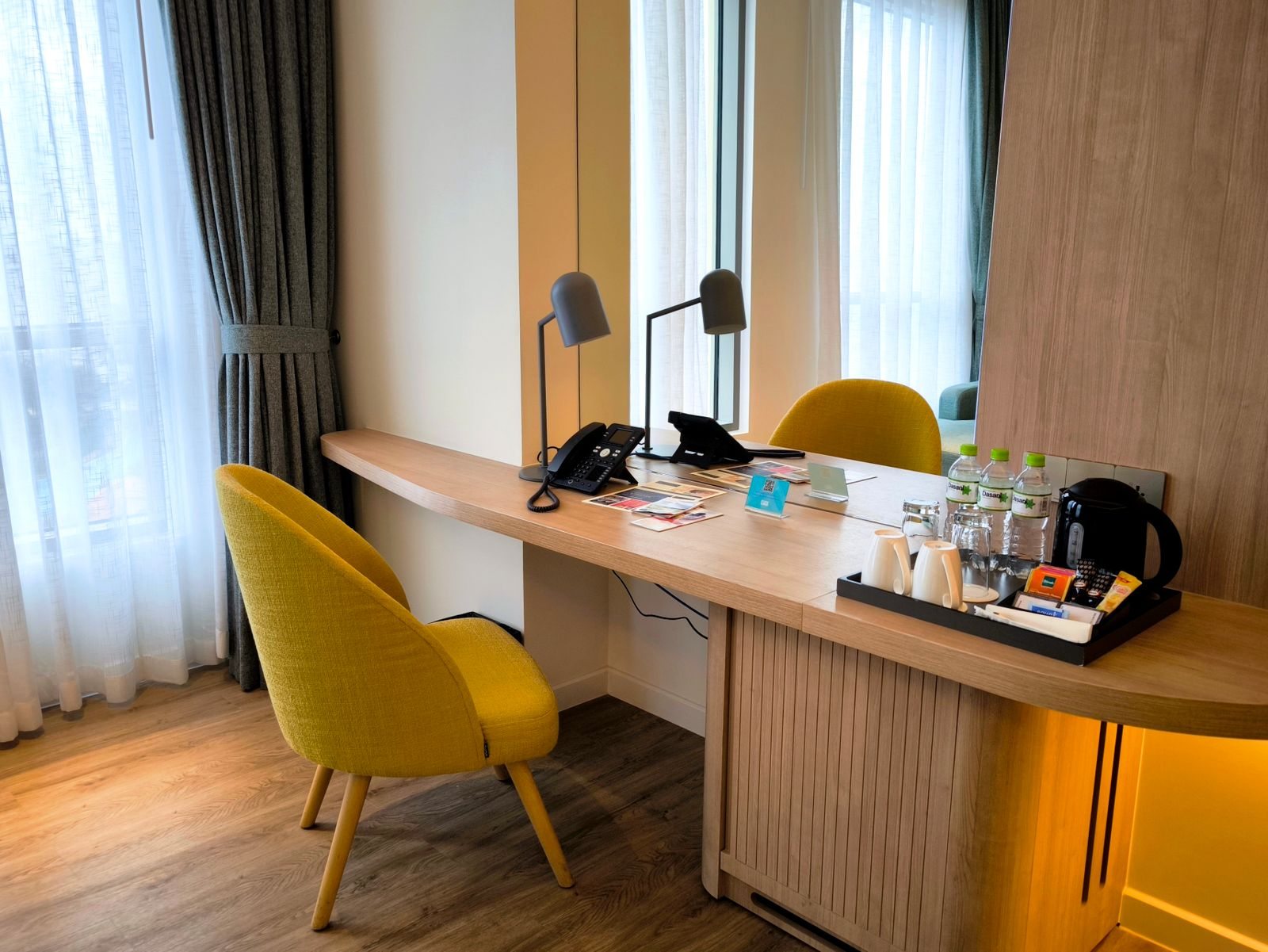
Compare the earliest departure and latest return for both travellers. If one person makes morning calls while the other starts later, you need areas that can be used separately. A shared kitchen table may support alternating work but not two simultaneous video meetings. Discuss bathroom use, meals and visitors too. These conversations seem ordinary before departure, yet they prevent basic domestic questions from being negotiated under pressure between appointments.
Clarify access and costs separately
Ask whether both people can enter independently and how keys are handed over. Check permitted occupancy, house rules and the conditions of the actual reservation. Invoicing should also suit your expense process; separate invoices are not automatically available. Decide beforehand who makes the booking and which expenses are shared. This prevents the accommodation from creating later uncertainty about personal grocery purchases or additional services.
Do not let savings decide everything
Compare the complete stay with two suitable single rooms. Include cleaning charges, journeys and any separate workspace you might need. If one colleague does not feel that adequate privacy is available, the apartment may be a worse choice despite costing less. Both people should actively agree to the shared arrangement. Also consider what happens if the number of travellers changes, so a late cancellation does not quietly alter the entire division of costs.