Lay out the formats before choosing
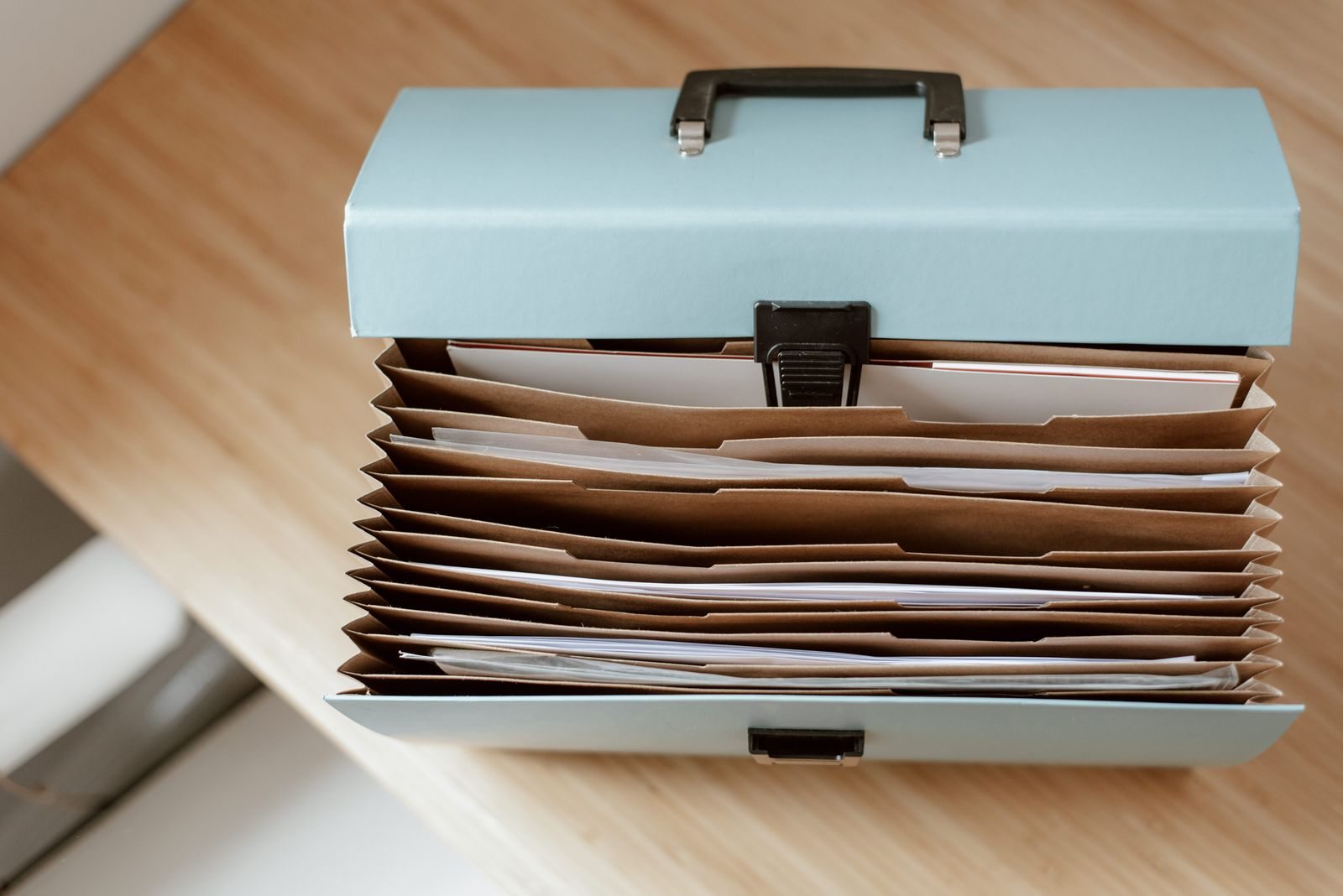
Put required documents, small receipts and any oversized plans side by side. Decide which papers genuinely need a printed copy. A thick folder of precautionary duplicates increases the task without necessarily helping. Establish whether sheets may be folded or must remain completely flat. That determines the format required. A matching nominal bag size does not establish whether the folder's actual width will pass through the opening of your filled work bag.
Organise access around the day
Separate documents frequently presented from material needed only during a meeting. A small number of clear sections is often enough. Label them by task, such as arrival or meetings, rather than creating an elaborate archive for a few travel days. Avoid positioning sensitive details where people nearby can see them whenever the folder opens. A transparent outer sleeve does not suit every type of content, even if it makes items easier to identify.
Test closure and protection realistically
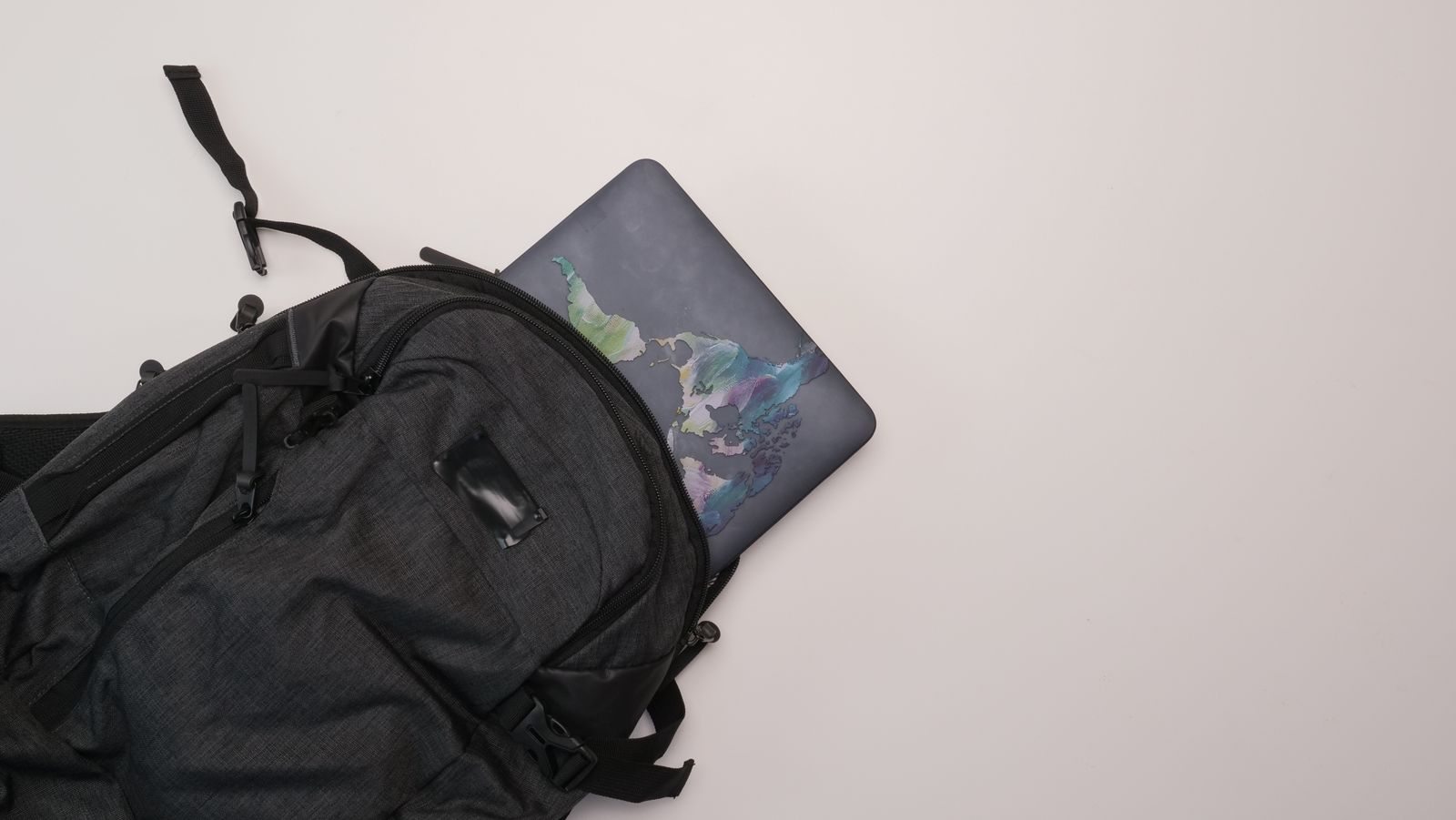
Fill the folder with the intended quantity and close it. Check for protruding corners, an overstretched fastening or loose receipts that might escape. A rigid back can protect paper but takes more room than a simple sleeve. Choose according to the handling your documents will actually experience. The folder should sit beside the laptop and cable kit without pressure rather than being forced into the bag through strong bending.
Sort briefly at the end of each day
Add new documents deliberately and remove general brochures no longer needed, where they have no further use. Confidential papers belong in the designated workplace process, not indiscriminately in a public bin. Where several versions exist, identify the current one clearly. Before departure, check that important documents are back in the correct section. A folder remains understandable only when it does not become an unchecked collection point for every sheet during the trip.