Build the set around its uses
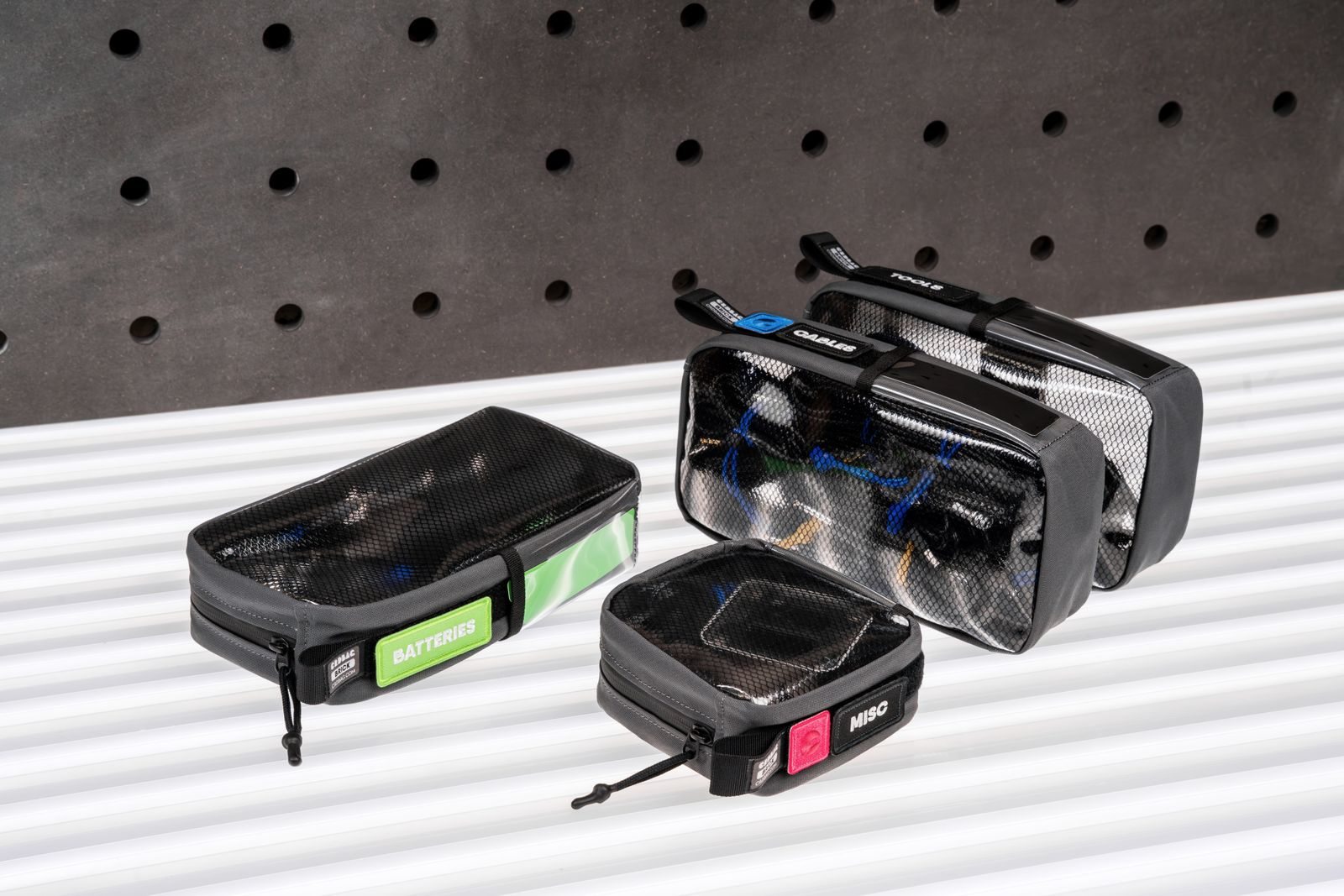
Lay out all the cables and match them to the devices actually travelling. Remove old leads whose connector or purpose you would need to guess on the road. Test each remaining item in the combination you intend to use. Two similar-looking plugs do not automatically provide the same functions. Give special tasks, such as connection to a demonstration device, a short understandable label. A bag full of possible solutions helps little when none can be confidently identified.
Separate frequent and occasional access
Position daily-use leads where they can be reached without emptying the pouch. An occasional presentation adapter can remain in a smaller side section. Coil cables loosely in a way appropriate to their construction instead of making tight bends beside the connector. Simple reusable ties can help when they improve clarity. Too many additional sleeves, however, may leave you opening several layers just to find one connection.
Test the pouch on a small table
Open the packed set on a modest surface like one available in a hotel or train. Can you identify the right item without spreading everything across the floor? Do small adapters remain contained instead of falling out as you open it? A light interior or distinguishable ties may help, but they cannot replace a limited selection. Avoid squeezing a large power supply into a tight pocket if it crushes the remaining contents.
Reduce clutter after each trip
Briefly separate used and unused components. Unused does not always mean unnecessary: a tested spare cable may have a clear backup role. Everything else should have an identifiable next task. Remove faulty parts from the travel-ready set immediately and replace them deliberately. The pouch then remains prepared instead of growing after every event with another untested adapter that nobody can confidently match to a device later.