Plan only tasks you can manage
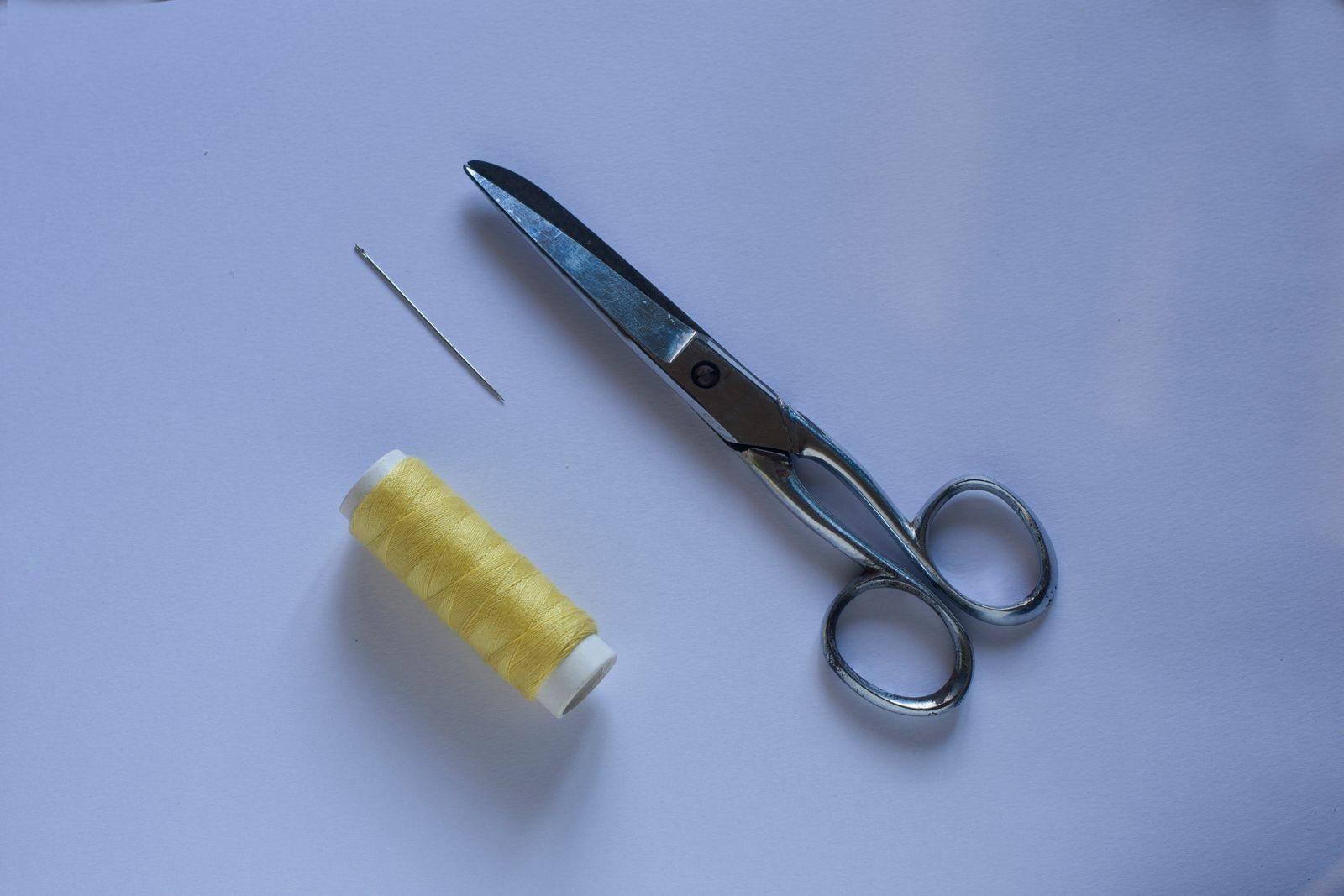
Consider which small repair you can perform safely and neatly yourself, such as reattaching a suitable button. A large sewing kit offers little benefit if its tools are unfamiliar. Choose thread and replacement parts appropriate to the clothing travelling with you. Complicated alterations or delicate construction may need professional attention. The travel kit should address a limited practical need rather than imply that every clothing problem can be solved on the spot.
Keep small components securely contained
Store needles and other pointed objects in a suitable closed container. Do not leave them loose among clothing or in the bottom of the work bag. Before travelling, check the applicable transport and security conditions for the particular tools and route. General packing suggestions do not establish automatic permission to carry an item. If a tool cannot appropriately travel, arrange a straightforward alternative or a confirmed source of help at the destination.
Discover the problem before the appointment
Inspect the important outfit the evening before for loose buttons, open seams or other issues. Good lighting and an absence of time pressure make it easier to decide whether a small repair is sensible. If uncertain, try the technique on an appropriate practice piece first. A temporary repair should neither cause further damage nor leave sharp parts against worn clothing. Using an available spare garment may be the better decision.
Reset the kit after use
Count the small tools used and return them to their secure container. Check whether thread or spare buttons need replacing. Remove loose remnants from the room so they do not remain on the floor or bed. After travelling, note what was actually useful. A modest complete set helps more than a collection of unchecked pieces whose purpose and condition only become apparent during the next mishap.