Try the actual writing situation
Consider whether you mainly write at a table or briefly while standing. A thin flexible booklet may be enough when seated, while a firmer backing can help on the move. Try it with your normal pen. Can it remain open without constantly holding down a page? Do short notes fit legibly on the surface? A very small format saves space but may leave important notes difficult to decipher later.
Check access inside the bag
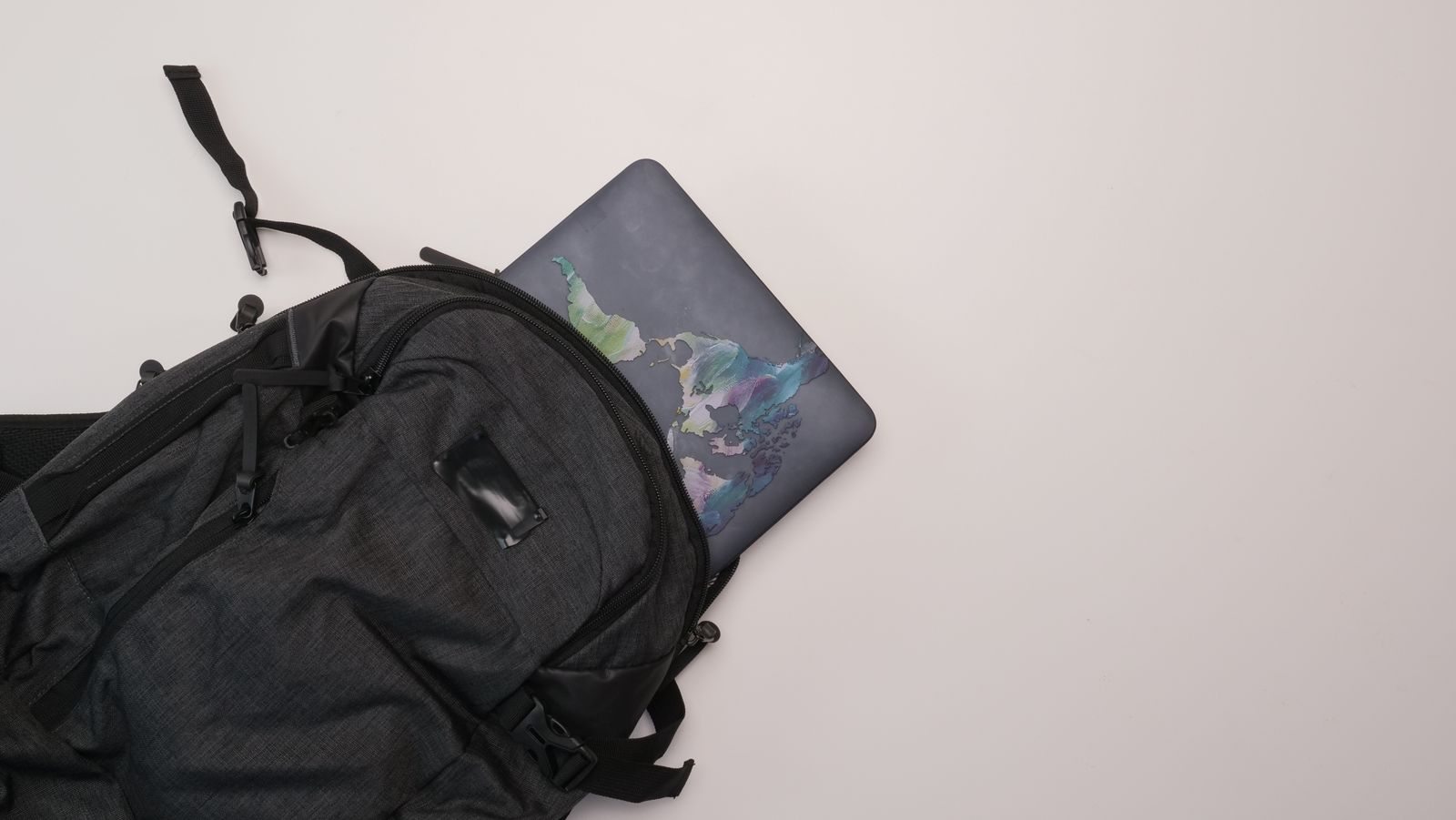
Give the notebook and pen a fixed, easily reached place. Practise removing them from the filled work bag. If the laptop and cable pouch must move first, you will probably use the notebook less often. A suitable closure or simple cover can keep loose sheets together. Avoid accumulating inserted receipts that fall out whenever it opens. The book should serve its main purpose rather than becoming the storage system for every piece of paper on the trip.
Establish a small organisational system
Start each conversation with the date and a brief identifying reference. Record only what is needed for the follow-up agreed. Make a promised action conspicuous so it does not disappear among product details. This is not a reason to collect confidential information indiscriminately. If your organisation prescribes a particular conversation-recording process, follow it. Paper is a working format, not a substitute for the required controlled handling of the information afterwards.
Review and transfer notes at day's end
Read the notes promptly while abbreviations still make sense. Transfer necessary tasks into the designated system and mark completed transfers. Store the notebook according to its contents rather than leaving it open on the stand. Before the next journey, check the remaining pages and confirm the pen works. A familiar compact set is then ready to use without a morning search for writing materials.