Identify the real charging gap
Consider when you expect to spend a longer period without a suitable charging point. A phone used for navigation and admission may create different needs from a tablet used only occasionally. Assess your normal consumption from experience instead of habitually packing the largest reserve. Weight and space matter too. The power bank's manufacturer specifications help you judge its role, but they do not promise a particular number of complete charges in every usage situation.
Try the complete set
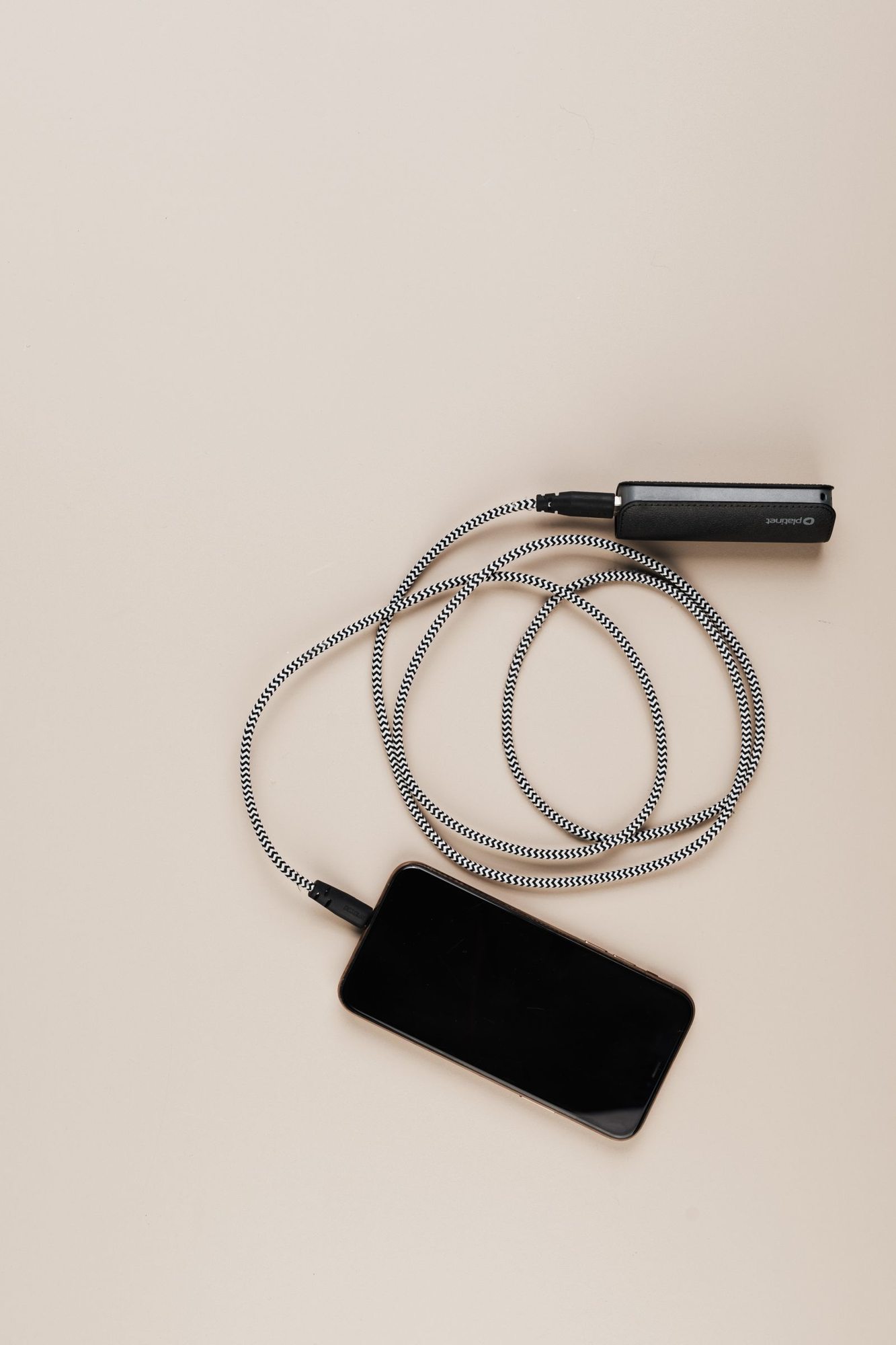
Connect the power bank, cable and travelling device before departure. Check that charging actually starts and that you understand the indicator. Charge the reserve according to the manufacturer's instructions and inspect its condition. A damaged or visibly deformed unit does not belong in a travel-ready kit. Pack the matching cable beside it rather than hoping that some other available lead will work later.
Check current flight conditions
Before flying, read your airline's current requirements for capacity, quantity, storage and use. EASA states that power banks belong in cabin baggage and must be individually protected against short circuits. The agency also advises against charging them or using them to power devices on board. Check your operating airline's instructions as well. Acceptance on an earlier trip is not evidence that conditions remain identical for every later journey.
Keep it accessible and organised
Store the reserve where you can find it and handle it according to the applicable instructions. Separate it from loose metal objects and use suitable protection. If cabin luggage is unexpectedly moved or checked in, tell staff about the power bank in good time and follow their directions. After the travel day, check whether the reserve needs recharging before leaving it in the bag for the next long stage.