Consider the period and surroundings
Think about when you are likely to need something and where you can eat it. A short train ride followed by a shared meal requires a different quantity from a long stretch with uncertain breaks. Choose familiar food that suits your personal requirements. Consider other people in shared spaces too. A strongly scented or easily crumbled snack may be inconvenient there even if you enjoy it at home.
Prioritise suitable storage
Read storage and shelf-life information and choose food whose requirements can be met during the trip. A closed container does not provide refrigeration. Avoid buying delicate items just in case when temperature and duration remain uncertain. For international travel, check the applicable food import requirements; general packing tips do not replace those rules. Individual dietary questions may need appropriate professional guidance rather than relying solely on a general travel routine.
Use an appropriate container
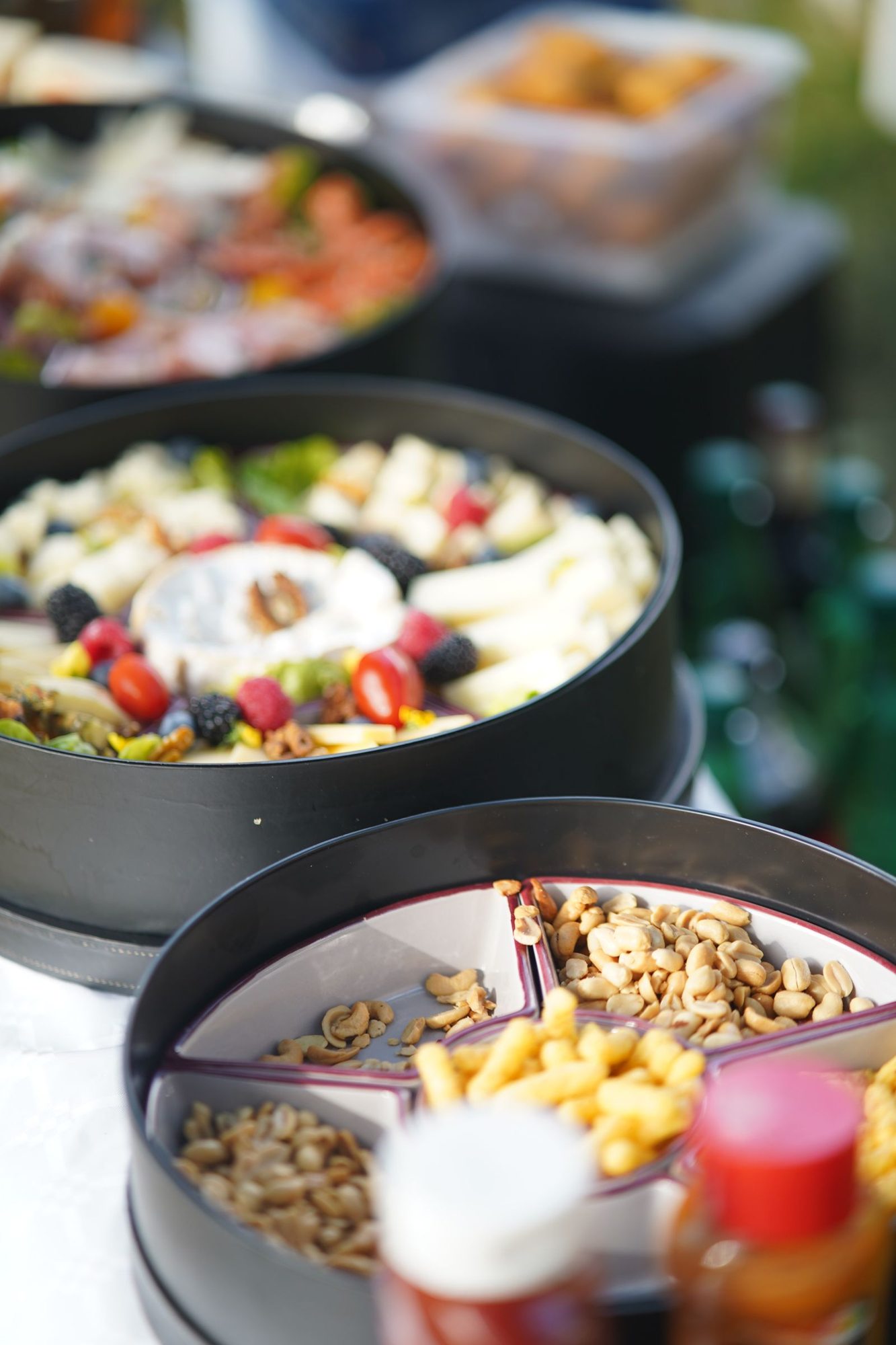
Test that the lid and closure fasten securely and that the box can sit upright or otherwise appropriately within the bag. Pack only a quantity you plausibly need. A large half-empty container still occupies substantial space. Keep food separate from documents, electronics and cleaning products. If cutlery or a napkin is necessary, include it immediately. A snack requiring improvised tools is a poor fit for its intended straightforward purpose.
Check leftovers that day
Dispose of or store remaining food according to its instructions and the actual conditions experienced. Do not leave an opened reserve of uncertain age permanently inside the bag. Clean and dry the container appropriately before packing it again. After travelling, note which quantity was sufficient. The next reserve can then become smaller and more relevant instead of growing habitually with extra packets at every exhibition, only to reappear several weeks later.